*This post got quite long so I put it in a document form too and added a Table of the medicinal foods/herbs/extracts, there are still more to add: docs.google.com . The table of 700 small molecules that may help reduce TNF-alpha by inhibiting the NF-kB pathway is quite large, so I am working on recreating it in list format – work in progress: docs.gogle.com/list of NF-kB pathway inhibitors.
Localized hyercoaguability & granulomatous sarcoidosis.
People with the autoimmune disease called sarcoidosis may develop increased risk of clotting, hypercoaguability, localized to the areas where the disease process progressed to the granulomatous stage. The reason is not known per the research team, Goljan-Geremek et al., as other typical cardiovascular disease markers were not commonly found in sarcoidosis patients who developed venous thromboembolism (VTE). (1)
The problem of increased coaguability was only seen in patients with Stage II or Stage III granulomatous sarcoidosis and was associated with increased levels of “the proinflammatory cytokine cascade [interleukin (IL)-6, IL-8, tumor necrosis factor α (TNF-α) but not with IL-10 [25].” Interleukin 10 is an anti-inflammatory cytokine with a protective effect while Interleukin 6 and 8 are pro-inflammatory. Better understanding of the mechanism would be helpful as localized hypercoaguability may increase risk of pulmonary embolism or other ischemic strokes. (1)
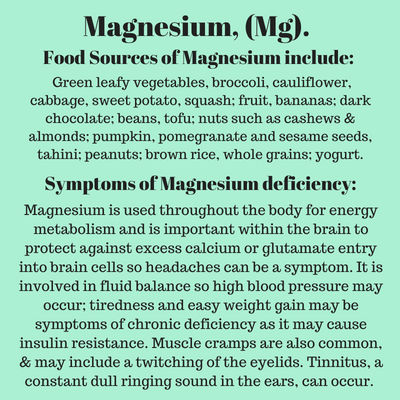
Calcium excess, magnesium deficiency and hypercoaguability.
Magnesium and calcium balance can be involved in blood clotting risks as excess calcium can lead to blood vessel and soft tissue calcification. Vascular calcium plaques can increase risk of blood clots and excess calcium levels can also be a cause of blood clotting – hypercoaguability. (41) (42) Zinc deficiency is mentioned later in this article as a potential cause of hypercoaguability, however several key nutrients may be deficient or in imbalance during cardiovascular disease. Myocardium tissue changes structure and chemical composition during vascular or heart disease. Magnesium was found to be low while calcium levels were elevated. Vitamin D was low, the active hormone form of vitamin D was not measured. Zinc and selenium levels were found to be low. (44)
Vitamin D is involved in calcium and magnesium balance and is anti-inflammatory due to inhibition of the NF-kB pathway. Low levels of vitamin D have been associated with kidney and cardiovascular disease. (45) Curcumin, an analogue of the active hormone D form (1, 25, dihydroxy D), also inhibits the NF-kB pathway and may also be protective against renal or vascular disease. (See Table 1, 11)
The B vitamins, folate, vitamin B6 and B12, are needed for homocysteine metabolism, elevated levels of which are associated with cardiovascular disease, however reducing levels of homocysteine has not reduced thrombotic risk (clotting). (46) The importance of homocysteine may have more to do with its later chemical conversion to the potent antioxidant glutathione. (47) We make more antioxidants everyday during health than we are ever likely to consume from typical foods. Many medicinal herbs or nutrients help promote the antioxidant promoting Nrf2 pathways and inhibit the inflammatory NF-kB pathway. Vitamin B6 can also inhibit the inflammatory NF-kB pathway. (See Table 1, 11)
The nutrients could be thought of as similar to a baseball team – you might be able to play a game without the shortstop or with someone in left field however trying to play without the pitcher or catcher wouldn’t really work at all.
TNF alpha and the NF-kB Pathway
The mechanism for localized hypercoaguability in granulomatous sarcoidosis may be due to the localized increase in Tumor Necrosis Factor alpha (TNF alpha) and interleukin-6 (IL-6) which can cause “microvascular damage leading to thrombosis,” and “ischemia.” Supplementation with flavonoids can block this from occurring by inhibiting an earlier step in the intracellular pathway by preventing the stimulation of the IKK complex and the translocation of NF-κB into the cell nucleus where the pro-inflammatory cytokines are made. (See Figure 1: 2)
Deficiency in Nrf2 may cause an increase in TNF alpha as the protein inhibits production of the Tumor Necrosis Factor alpha protein by the inhibitory effect internally produced antioxidants (Nitric Oxide or glutathione for example, 11) have on the NFkB pathway. (7) And when levels of TNF alpha are elevated production of more Nrf2 is suppressed by the TNF alpha/NFkB pathway (7), which would then further exacerbate the elevated level of it as the inhibition by the Nrf2 protein would be lacking and the presence of increased levels of TNF alpha and other cytokines increases activity of the NF-kB pathway. (7)
An experimental stage chemoprevention drug beta-naphthoflavone helps protect against lung damage in mice deficient in the ability to make Nrf2. (3) Beta-naphthoflavone is an AhR agonist and antioxidant that is only approved for research purposes in animal studies currently. (4) Nrf2 has a protective role within the lungs as seen in a different animal study with Nrf2 deficient mice (knockout mice genetically deficient in Nrf2 -/- ). (5)
Flavones are a type of Flavonoid
Flavones are in the flavonoid family of phytonutrients. Flavonoids as a group are commonly found in many “fruits, vegetables, barks, stems, roots, flowers, tea, and wine.” (6) There are about 6000 flavonoids known within plants and they frequently are colorful pigments within the flowers or other parts of plants where they protect against UV light damage along with other protective roles. (6)
Therapeutically flavonoids are very beneficial for humans also, as they not only are strong antioxidants they also have “anti-inflammatory, anti-mutagenic and anti-carcinogenic properties,” can “modulate key cellular enzyme function,” and are “potent inhibitors for several enzymes, such as xanthine oxidase (XO), cyclo-oxygenase (COX), lipoxygenase and phosphoinositide 3-kinase, (4–6).” (6) Flavonoids may help protect against Coronary Heart Disease (CHD) and reduce mortality rate due to cardiovascular disease.
Onions and Green Tea – ECGC
Flavones are particularly strong antioxidants within the group of flavonoids and onions and tea are good dietary sources. (6) Green or Black tea are good sources of the flavonoid called Epigallocatechin-3-gallate (EGCG) which is known to inhibit the NF-kB pathway. (11, 12) Green and black tea are from the same type of plant however the processing is different. Green tea is simply dried fresh tea leaves and provides about four times more EGCG than black tea (which does have other healthy phytonutrients too). Patient studies suggest that heart health benefits may occur with use of three to five cups of green tea per day, which would provide about 200-350 milligrams EGCG. Bottled teas and supplements may not provide as much as labels suggest while also costing more than loose leaf tea or boxed tea bags. (17)
Orange Zest – Tangeritin
Flavones may help reduce the risk of upper respiratory infections by stimulating taste receptors that detect bitter flavors which then increase cellular production of Nitric oxide (NO) which has antibacterial effects (lethal to bacteria at higher doses). The outer zest of orange peel is a source of a flavone called tangeritin. (10)
Vinpocetine
Flavones therefore, as flavonoids, may be beneficial for Nrf2 levels by reducing the NF-kB pathway by effects on the IKK complex. (See Figure 1: 2) Steroids and cyclooxygenase inhibitors (COX1 & 2 are inhibited by many common pain relievers) are potent anti-inflammatories that also can have significant side effects. Vinpocetine is an anti-inflammatory derived from an alkaloid which has been found helpful for vascular conditions. It also reduces NF-kB activity by inhibiting the IKK complex. (8) Vinpocetine is available as an over the counter supplement singly or may be included in mixed products, and is not advised for use by pregnant people or women of childbearing age due to a possible increased risk of miscarriage according to a recent warning by the FDA. (9) Excess Nf-kB activity leading to increased levels of TNF alpha can also cause miscarriage (spontaneous abortion/fetal death). (See Figure 1: 2)
Long term steroid use may also increase coagulation risk.
An additional factor in risk for hypercoaguability in autoimmune patients such as those with sarcoidosis may be long term use of glucocorticosteroids or other long term steroid/testosterone use. Long term steroid use has been observed to increase risk of clotting, hypercoaguability, in patients with Inflammatory Bowel Disease, (13), and in bodybuilders using steroids. (14, 15)
Steroids reduce Nf-kB activity within the short term and the increased risk of coagulation for bodybuilders using anabolic-androgenic steroids (AS) is thought to be due to a combination of the strain of lifting heavy weights combined with the AAS causing changes in blood platelets and clotting factors along with impaired ability to break down clots: “AAS are responsible for a number of haemostatic defects, including higher platelet number, enhanced platelet aggregation, increased synthesis of procoagulant factors and impaired fibrinolysis.” (15)
The granulomas found in Stage II or III sarcoidosis are typically found in the lungs but may also develop in other areas of the body including in decreasing order of frequency the: “skin, eyes, musculoskeletal system, nervous system, heart, liver, and kidneys.” (16)
Dehydration
Dehydration can also be a risk factor for increased coagulation – with a lack of water how can the blood flow through any blood vessel or organ as well?
Metal implants & medical devices can also activate the NF-kB pathway.
Metal supports for broken bones or missing bone pieces and other types of metal medical devices that are implanted within the body can be a source of metal exposure or infectious risk from pathogen growth on the surface of the device. Finishing the surface layer of the metal with a nanoparticle size rough texture has been found to interfere with the ability of bacterial pathogens to grow on the surface in comparison to a typically smooth metal surface. Gradual corrosion of the metal over time may remain a problem though and the metallic ions within the body can cause an increase in inflammatory TNF alpha and interleukin cytokines due to activating the NF-kB pathway.
The increased inflammation can increase osteoporosis risk due to increases in the activity of osteoclasts which absorb bone and decrease activity of osteoblasts which deposit more bone matrix. See Figure 16.4, page 267, Trace Metals and Infectious Disease, (link). Reducing the risk of corrosion of the metal implants is desirable as patients with osteoporosis often require metal supports for repair of fractures and then may be at risk of further inflammatory loss of bone due to the TNF alpha and other cytokines. The presence of a metal medical device could also then be a risk for hypercoaguability and ischemic stroke.
Zinc Deficiency can also lead to increased TNF alpha and IL – 1 beta.
Lack of the essential trace metal zinc as a chronic deficiency may add to inflammation and hypercoaguability risks due to epigenetic changes that promote production of the TNF alpha gene and protein and Interleukin 1 beta. The precise mechanism is not known and also involves redox-dependent mechanisms. Supplementation of zinc may be helpful for patients with inflammatory conditions. (Wessels et al, 2013) (page 291, Trace Metals and Infectious Disease, link) Acute zinc deficiency in an animal based study was associated with more severe reperfusion-injury after myocardial ischaemia (heart attack) in the animals. (43)
Take Home Points
Patients with sarcoidosis may help reduce their risk for clots and ischemic stroke due to localized hypercoaguability occurring within areas of their bodies where granulomas have formed by:
- maintaining adequate intake of water or other non-diuretic fluids.
- avoiding long term use of glucocorticosteroids or anabolic-androgenic steroids.
- increasing intake of onions, green tea, orange zest, (for flavone content)
- and increasing intake of other Nrf2 promoting foods (other types of phytonutrients in addition to flavones can help the body increase production of the Nrf2 protein which helps increase production of antioxidants such as glutathione and Nitric oxide. Phytonutrients, foods and beverages that may help are available here: Nrf2 Promoting Foods).
- Adequate protein intake is important for the body to be able to produce Nrf2 proteins, anticlotting factors, and other proteins essential for fluid balance.
- Histidine and betaine are amino acids found within protein foods which may help inhibit the NF-kB pathway (11) which leads to increased levels of TNF alpha and interleukins which can cause increased coagulation/increased clotting risk. Betaine is formed from the amino acid glycine with three methyl groups and is also called trimethylglycine (TMG). The grain quinoa is a good source of betaine.
- Adequate zinc in balance with copper intake is important.
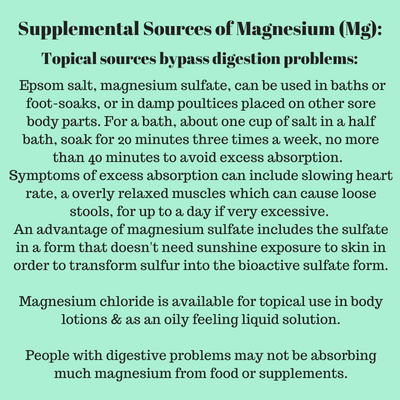
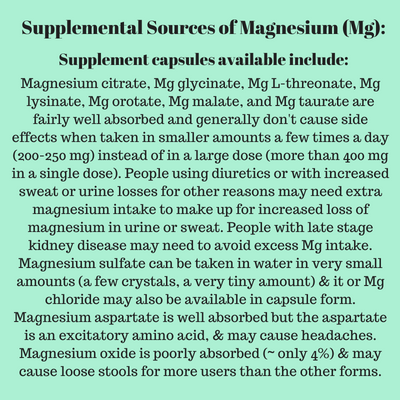
- Adequate magnesium, in balance with calcium and vitamin D is important. Selenium intake in adequate amounts may also be protective.
- Phytonutrients and other medicinal chemicals may help reduce the inflammatory pathway. Increasing use of the food sources within the daily diet may be helpful to reduce hypercoaguability risk. Excess use of some of the more potent sources would not be advised as the blood thinning effects may be cumulative. Over 700 small molecules have been identified that inhibit the NF-kB pathway (See Table 1: 11) including: the omega 3 fatty acid DHA found in fatty fish such as salmon and sardines and Fish Oil supplements or bottled Krill or Fish oil; the herbal supplement extracts of kava and licorice; 6-gingerol found in ginger, (500 mg ginger in capsule was found as effective for pain relief as ibuprofen in a post dental surgery pain study, (26), 500-1000 mg per day was found effective for pain relief in a metareview of studies on arthritis pain, (27), Ginger was found to be more effective than ibuprofen for reduction of cytokine production in a cell based study of arthritis, (28), for long term use up to a half teaspoon/2500-3000 mg of ginger would be safe from excessive blood thinning effects, more than that consistently may increase risk of easy bruising or bleeding as it also contains phytocoumarins, (29); anandamide (one of our endogenous cannabinoids, which is chemically similar to the euphoria causing cannabinoid THC found in marijuana; cardamonin found in the spice cardamom; the herb Artemisia vestita – Russian Wormwood; Falcarindol found in carrots; Furonaphthoquinone found in the fruit Crataegus pinnatifida (Chinese Hawthorn); garcinone B, found in green fruit hulls of Garcinia mangostana, (18); Glossogyne tenuifolia extract, an herbal supplement used in traditional Chinese medicine sold as Devil’s Claw Extract in English language herbal supplement; Guggulsterone an extract of the resin, called gugal, of the Mukul myrrh tree which is commonly used in ayurveda traditional health care; Honokiol is an extract from Magnolia bark, seeds and leaves traditionally used in eastern/Asian medicine within herbal teas, (19); Hypoestoxide is used in Nigerian medicine and is isolated from the Hypoestes rosea, a plant native to Africa, (20); Isorhapontigenin an analog of resveratrol found in the Chinese herb Gnetum cleistostachyum; Cortex cinnamomi found in the spice cinnamon, an extract from the bark of the Chinese cassia an evergreen tree used in Korean medicine, (21); cryptotanshinone found in the roots of the Salvia miltiorrhiza Bunge (Danshen) plant used in Chinese medicine, (22); Black Rice Extract used in traditional Eastern medicine; Danshensu, found in Salvia miltiorrhiza, (23); diterpenoids are a group of phytonutrients found in many herbs including rosemary, sage and the medicinal herb Gingko biloba, (24, see Table 11.7, visible in this link , lower left corner, 25); Ent-kaurane diterpenoids isolated from a few plants including the fruit of the coffee bean plant, (30); Evodiamine, an extract from the Chinese herbal medicinal plant Evodia rutaecarpa (31); Fomes fomentarius extract of the fungus known as Tinder Conk mushroom or Hoof Fungus; Fucoidan, a polysaccahride found in many species of brown algae and seaweeds; Gallic acid found in tea leaves, red wine and some red plants such as pomegranate, sumac, red raspberries, strawberries, blackberries, red radish, onions, and other plants, used in Ayurveda traditional health care (see 5.2 Phenolic Acids, 32); Ganoderma lucidum, the Lingzhi mushroom used in traditional Chinese medicine; Garcinol, found in the Garcinia indica plant used traditionally in its native tropical growing region to make a sweet drink from the fruit known as Kokum in India and Mangosteen in English, (33); Ginkgolide B, found in the Chinese medicinal tree Gingko biloba, (34); Glycyrrhizin, a sweet flavored extract of Glycyrrhiza glabra (licorice) root, (35); Halofuginone, derived synthetically from fegrifugine or from quinazolinone alkaloid from the Chinese herb Dichroa febrifuga (Chang Shan) hydrangea in English (36); Hematein, found in logwood,Used as a chemical stain & indicator of metals, changing to different colors in the presence of different metals. (37); Herbal compound 861, an extract from ten herbs used in traditional Chinese medicine, (38); Hydoxyethyl starch, branched amylopectin, Used in intravenous infusions (6%) as a plasma volume expander, may cause increased bleeding risk and long term renal damage, especially in critically ill patients. (39); Hydroxyethylpuerarin, (HEP), extract from the dried root of Puerariae radix, an herb used in Chinese traditional medicine (40); mulberry anthocyanins; . There are 700, not all naturally derived, I will be adding a few more from the list.
(11) - cloricromene, a coumarin derivative (medication used in Western medicine) (11) .
Disclaimer: This information is being provided for educational purposes within the guidelines of fair use. While I am a Registered Dietitian this information is not intended to provide individualized health care guidance. Please see an individual health care provider for individual health care services.
References
- Goljan-Geremek A, Geremek M, Puscinska E, Sliwinski P., Venous thromboembolism and sarcoidosis: co-incidence or coexistence?. Cent Eur J Immunol. 2015;40(4):477–480. doi:10.5114/ceji.2015.56972
https://www.ncbi.nlm.nih.gov/pmc/articles/PMC4737745/ - Tarique Hussain, Bie Tan, Gang Li, et al., Modulatory Mechanism of Polyphenols and Nrf2 Signaling, Pathway in LPS Challenged Pregnancy Disorders, Hindawi, Oxidative Medicine and Cellular Longevity, Vol 2017, Article ID 8254289 https://pdfs.semanticscholar.org/7c94/3d7267998a159ed91162e7feea0092d3fffa.pdf
- D. Callaway, W. Jiang, K. Lingappan, B. Moorthy, Decreased Survival and Increased Oxygen-Mediated Lung Injury in Mice Lacking Nrf2: Protection by Beta-Naphthoflavone, American Journal of Respiratory and Critical Care Medicine 2019;199:A1158 https://www.atsjournals.org/doi/abs/10.1164/ajrccm-conference.2019.199.1_MeetingAbstracts.A1158
- Beta-Naphthoflavone, MedKoo Cat#: 540310, medkoo.com,
https://www.medkoo.com/products/15806 - Chan K, Kan YW. Nrf2 is essential for protection against acute pulmonary injury in mice. Proc Natl Acad Sci U S A. 1999;96(22):12731–12736. doi:10.1073/pnas.96.22.12731,
https://www.ncbi.nlm.nih.gov/pmc/articles/PMC23072/ - Panche AN, Diwan AD, Chandra SR. Flavonoids: an overview. J Nutr Sci. 2016;5:e47. Published 2016 Dec 29. doi:10.1017/jns.2016.41,
https://www.ncbi.nlm.nih.gov/pmc/articles/PMC5465813/ - Wardyn JD, Ponsford AH, Sanderson CM. Dissecting molecular cross-talk between Nrf2 and NF-κB response pathways. Biochem Soc Trans. 2015;43(4):621–626. doi:10.1042/BST20150014
https://www.ncbi.nlm.nih.gov/pmc/articles/PMC4613495/ - Jeon KI, Xu X, Aizawa T, et al. Vinpocetine inhibits NF-kappaB-dependent inflammation via an IKK-dependent but PDE-independent mechanism. Proc Natl Acad Sci U S A. 2010;107(21):9795–9800. doi:10.1073/pnas.0914414107
https://www.ncbi.nlm.nih.gov/pmc/articles/PMC2906898/ - Rachael Rettner, Dietary Supplement Ingredient Linked to Miscarriages, FDA Warns, livescience.com, June 4, 2019,
https://www.livescience.com/65629-vinpocetine-supplements-miscarriages.html - Hariri BM, McMahon DB, Chen B, et al. Flavones modulate respiratory epithelial innate immunity: Anti-inflammatory effects and activation of the T2R14 receptor. J Biol Chem. 2017;292(20):8484–8497. doi:10.1074/jbc.M116.771949
https://www.ncbi.nlm.nih.gov/pmc/articles/PMC5437252/ - Gupta SC, Sundaram C, Reuter S, Aggarwal BB. Inhibiting NF-κB activation by small molecules as a therapeutic strategy. Biochim Biophys Acta. 2010;1799(10-12):775–787. doi:10.1016/j.bbagrm.2010.05.004
https://www.ncbi.nlm.nih.gov/pmc/articles/PMC2955987/ - Chenyu Chu, Jia Deng, Yi Man, and Yili Qu, Green Tea Extracts Epigallocatechin-3-gallate for Different Treatments, BioMed Research International, Vol 2017, Article ID 5615647
https://www.hindawi.com/journals/bmri/2017/5615647/ - Higgins, Peter D.R., et al. Increased Risk of Venous Thromboembolic Events With Corticosteroid vs Biologic Therapy for Inflammatory Bowel Disease. Clinical Gastroenterology and Hepatology 2015: 13(2): 316-321, http://www.cghjournal.org/article/S1542-3565(14)01045-3/abstract
- Colburn S, Childers WK, Chacon A, Swailes A, Ahmed FM, Sahi R. The cost of seeking an edge: Recurrent renal infarction in setting of recreational use of anabolic steroids. Ann Med Surg (Lond). 2017;14:25–28. Published 2017 Jan 12. doi:10.1016/j.amsu.2017.01.015
https://www.ncbi.nlm.nih.gov/pmc/articles/PMC5247564/ - Przybycinski et al., Renal Artery Thrombosis in a Bodybuilder using Anabolic Steroid – Case Report, J Sports Med Doping Stud, 2019, 9:1, DOI: 10.4172/2161-0673.1000215,
https://www.omicsonline.org/open-access-pdfs/renal-artery-thrombosis-in-a-bodybuilder-using-anabolic-steroid–case-report.pdf - Sarcoidosis & Your Organs, Cleveland Clinic,
https://my.clevelandclinic.org/health/diseases/11865-sarcoidosis–your-organs - Warning – Your Green Tea Isn’t What You Think It Is, Bottom Line Inc.,
https://bottomlineinc.com/life/tea/warningyour-green-tea-isnt-what-you-think-it-is - Suksamrarn S, et al., Xanthones from the green fruit hulls of Garcinia mangostana., J. Nat. Prod. 2002655761-763, April 17, 2002 https://doi.org/10.1021/np010566 https://www.ncbi.nlm.nih.gov/pubmed/12027762
- Fried LE, Arbiser JL. Honokiol, a multifunctional antiangiogenic and antitumor agent. Antioxid Redox Signal. 2009;11(5):1139–1148. doi:10.1089/ars.2009.2440 https://www.ncbi.nlm.nih.gov/pmc/articles/PMC2842137/
- Emmanuel A.Ojo-Amaize, et al., Hypoestoxide, a Novel Anti-inflammatory Natural Diterpene, Inhibits the Activity of IκB Kinase, Cellular Immunology, Vol 209, Issue 2, 1 May 2001, pp 149-157,
https://www.sciencedirect.com/science/article/abs/pii/S0008874901917988 - Choi HM, Jung Y, Park J, et al. Cinnamomi Cortex (Cinnamomum verum) Suppresses Testosterone-induced Benign Prostatic Hyperplasia by Regulating 5α-reductase. Sci Rep. 2016;6:31906. Published 2016 Aug 23. doi:10.1038/srep31906
https://www.ncbi.nlm.nih.gov/pmc/articles/PMC4994048/ - Chen W, Lu Y, Chen G, Huang S. Molecular evidence of cryptotanshinone for treatment and prevention of human cancer. Anticancer Agents Med Chem. 2013;13(7):979–987. https://www.ncbi.nlm.nih.gov/pmc/articles/PMC3625674/
- Cao Y, Chai JG, Chen YC, et al. Beneficial effects of danshensu, an active component of Salvia miltiorrhiza, on homocysteine metabolism via the trans-sulphuration pathway in rats. Br J Pharmacol. 2009;157(3):482–490. doi:10.1111/j.1476-5381.2009.00179.x https://www.ncbi.nlm.nih.gov/pmc/articles/PMC2707994/
- A. Ludwiczuk, et al., Chapter 11: Terpenoids, Pharmacognosy: Fundamentals, Applications and Strategies, 2017, pp 233-266,
https://www.sciencedirect.com/science/article/pii/B9780128021040000111 - Terpenoids, Science Direct,
https://www.sciencedirect.com/topics/neuroscience/diterpenoid - Rayati F, Hajmanouchehri F, Najafi E. Comparison of anti-inflammatory and analgesic effects of Ginger powder and Ibuprofen in postsurgical pain model: A randomized, double-blind, case-control clinical trial. Dent Res J (Isfahan). 2017;14(1):1–7.
https://www.ncbi.nlm.nih.gov/pmc/articles/PMC5356382/ - E.M.Bartels, V.N.Folmer, H.Bliddal, et al., Efficacy and safety of ginger in osteoarthritis patients: a meta-analysis of randomized placebo-controlled trials., Osteoarthritis and Cartilage, Vol 23, Issue 1, Jan 2015, pp 13-21, https://www.sciencedirect.com/science/article/pii/S106345841401276X
- Ribel-Madsen, Søren; Bartels, Else Marie; Stockmarr, Anders, et al., A SynoviocyteModel for Osteoarthritis and Rheumatoid Arthritis: Response to Ibuprofen, Betamethasone, and Ginger Extract—A Cross-Sectional In Vitro Study., Arthritis, 2012, DOI: 10.1155/2012/505842
http://orbit.dtu.dk/files/52967554/505842.pdf - Herbal Medicines: Anticoagulation Effects, Open Anesthesia,
https://www.openanesthesia.org/herbal_medicines_anticoagulation_effects/ - Xia Wangab, Xingrong Penga, Jing Lu, et al., Ent-kaurane diterpenoids from the cherries of Coffea arabica., Fitoterapia, Vol 132, Jan 2019, pp 7-11,
https://www.sciencedirect.com/science/article/pii/S0367326X18307846 - Xin Zhou, Fengying Ren, Hong Wei, et al., Combination of berberine and evodiamine inhibits intestinal cholesterol absorption in high fat diet induced hyperlipidemic rats., Lipids in Health and Disease, 2017 16:239,
https://lipidworld.biomedcentral.com/articles/10.1186/s12944-017-0628-x - Renata Nowak, Marta Olech, Natalia Nowacka, Chapter 97 – Plant Polyphenols as Chemopreventive Agents, 5.2 Phenolic Acids, Polyphenols in Human Health and Disease, Vol 2, 2014, pp 1289-1307, https://www.sciencedirect.com/topics/medicine-and-dentistry/gallic-acid
- Padhye S, Ahmad A, Oswal N, Sarkar FH. Emerging role of Garcinol, the antioxidant chalcone from Garcinia indica Choisy and its synthetic analogs. J Hematol Oncol. 2009;2:38. Published 2009 Sep 2. doi:10.1186/1756-8722-2-38
https://www.ncbi.nlm.nih.gov/pmc/articles/PMC2743703/ - Ginkgolide B, Science Direct, https://www.sciencedirect.com/topics/medicine-and-dentistry/ginkgolide-b
- Glycyrrhizin, Science Direct,
https://www.sciencedirect.com/topics/agricultural-and-biological-sciences/glycyrrhizin - Halofuginone, Science Direct,
https://www.sciencedirect.com/topics/agricultural-and-biological-sciences/halofuginone - Hematein, Sciencemadness Wiki, http://www.sciencemadness.org/smwiki/index.php/Hematein
- A promising target of anti-fibrotic therapy: herbal compound 861, EurekaAlert Science News, https://www.eurekalert.org/pub_releases/2008-05/wjog-apt091808.php
- Hydroxyethyl Starch, Science Direct, https://www.sciencedirect.com/topics/medicine-and-dentistry/hydroxyethyl-starch
- Zi-Ying Wang, Xin-Bing Wei, Lin Chen, et al., Neuroprotective Effects of Hydroxyethylpuerarin against Focal Cerebral Ischemia-Reperfusion in Rats., Chinese Journal of Physiology 50(5): 211-216, 2007 https://www.dropbox.com/s/t486fl5ieu1svjs/201412141532230.pdf?dl=0
- DiNicolantonio JJ, Liu J, O’Keefe JH. Magnesium for the prevention and treatment of cardiovascular disease. Open Heart. 2018;5(2):e000775. Published 2018 Jul 1. doi:10.1136/openhrt-2018-000775 https://www.ncbi.nlm.nih.gov/pmc/articles/PMC6045762/
- Andrea Rosanoff, PhD, and Stella Lucia Volpe, PhD, RDN, ACSM-CEP, FACSM, Recorded Webinar: Modern Day Human Magnesium Requirements: The RDN’s Role, Today’s Dietitian, https://ce.todaysdietitian.com/node/69241#group-tabs-node-course-default1
- Karen Skene, Sarah K. Walsh, Oronne Okafor, Nadine Godsman, et al., Acute dietary zinc deficiency in rats exacerbates myocardial ischaemia–reperfusion injury through depletion of glutathione., British Journal of Nutrition, Vol 121, Issue 9 14 May 2019 , pp. 961-973, https://www.cambridge.org/core/journals/british-journal-of-nutrition/article/acute-dietary-zinc-deficiency-in-rats-exacerbates-myocardial-ischaemiareperfusion-injury-through-depletion-of-glutathione/15953E00DA3E69629F36F9F6FE5079A8
- Karl T. Weber,1,* William B. Weglicki,2 and Robert U. Simpson3 Macro- and micronutrient dyshomeostasis in the adverse structural remodelling of myocardium, Cardiovasc Res. 2009 Feb 15; 81(3): 500–508. https://www.ncbi.nlm.nih.gov/pmc/articles/PMC2639130/
- Li YC. Vitamin D: roles in renal and cardiovascular protection. Curr Opin Nephrol Hypertens. 2012;21(1):72–79. doi:10.1097/MNH.0b013e32834de4ee https://www.ncbi.nlm.nih.gov/pmc/articles/PMC3574163/
- Benjamin Senst; Prasanna Tadi; Hajira Basit; Arif Jan., Hypercoaguability, STATPearls, Last Update: April 29, 2019. https://www.ncbi.nlm.nih.gov/books/NBK538251/
- Kennedy DO. B Vitamins and the Brain: Mechanisms, Dose and Efficacy–A Review. Nutrients. 2016;8(2):68. Published 2016 Jan 28. doi:10.3390/nu8020068 https://www.ncbi.nlm.nih.gov/pmc/articles/PMC4772032/
- M Wang, W Liu, and T J Webster, Chapter 16: The Promise of Nano metals: Reducing Infection and Increasing Biocompatibility, Trace Metals and Infectious Diseases, Ed. Jerome O Nriagu and Eric P Skaar, Strungmann Forum Reports, (MIT Press, 2015, Cambridge, MA) https://mitpress.mit.edu/books/trace-metals-and-infectious-diseases
- M L Ackland, J Bornhorst, F V Dedoussis, et al., Chapter 17: Metals in the Environment as Risk Factors for Infectious Diseases, Trace Metals and Infectious Diseases, Ed. Jerome O Nriagu and Eric P Skaar, Strungmann Forum Reports, (MIT Press, 2015, Cambridge, MA) https://mitpress.mit.edu/books/trace-metals-and-infectious-diseases
- Wessels, I., H. Haase, G. Engelhardt, L. Rink, and P. Uciechowski, 2013. Zinc Deficiency Induces Production of the Pro-Inflammatory Cytokines IL-1beta and TNF alpha in Promyeloid Cells via Epigenetic and Redox-Dependent Mechanisms. J. Nutr. Biochem. 24:289-297. https://www.ncbi.nlm.nih.gov/pubmed/22902331