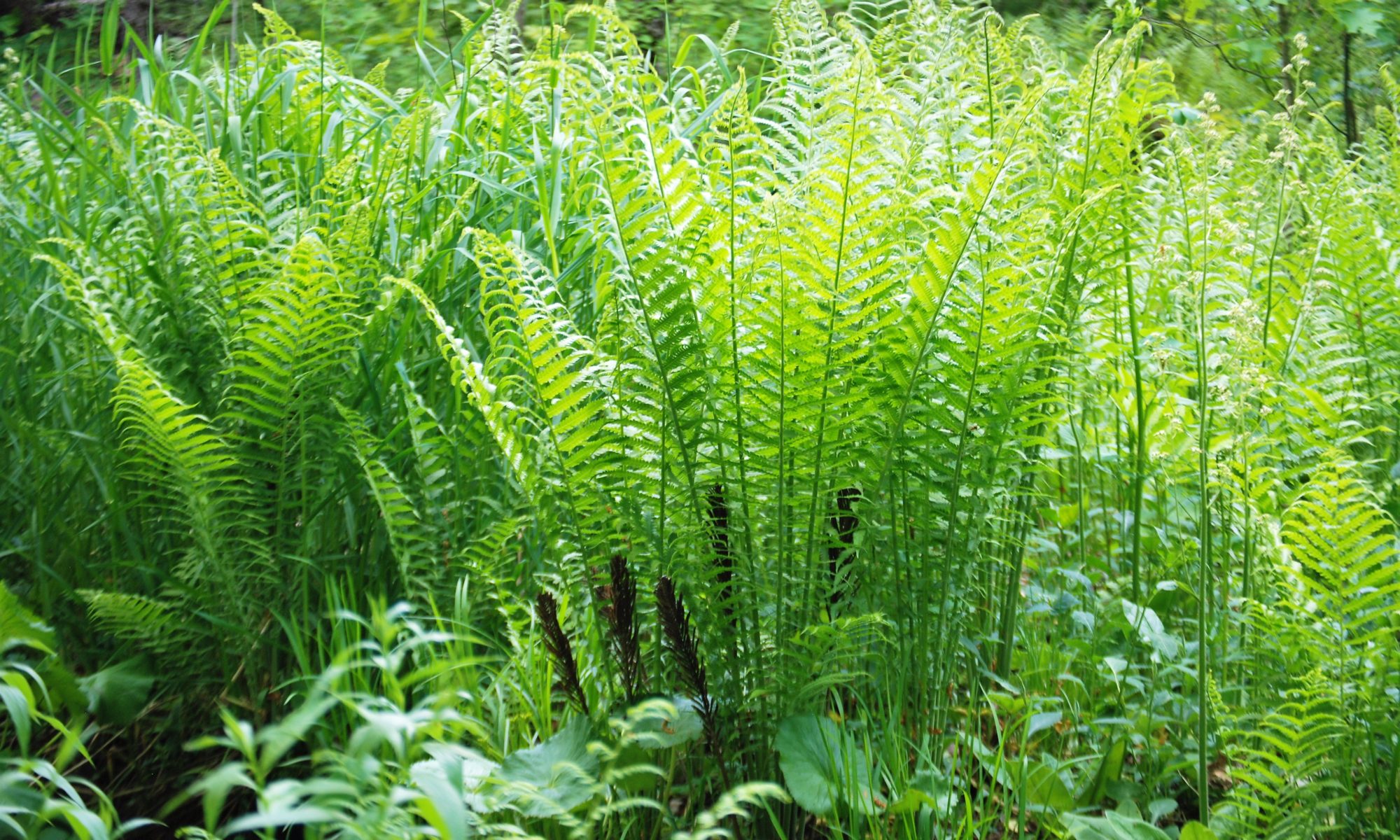
There has been concern shared by un-CoV-vaccinated women about having experienced menstrual changes after being around people who had received a CoV injection. A breast fed baby died after the breastfeeding mother received a CoV injection – yes it might be random coincidence, but maybe it wasn’t, maybe something was transmitted in the mother’s breast milk.
The spike protein itself has been found to cause blood clotting problems as it can cause cells to fuse together into clumps – which would be clot like. Anemia and renal inflammation were found in a person who experienced health symptoms after a “Pfizer-BioNTech mRNA COVID-19 vaccine 24 days before“. (10)
This article is brief and is fact checking a claim that the Pfizer vaccine can be shed. It states that it cannot be transmitted between people: ‘Vaccine shedding’: No, COVID-19 vaccine does not spread by inhalation or skin contact (2) Well of course not, the vaccine includes a complex lipid coated nanoparticle encasing the mRNA – which of course can not be transmitted between people.
The real question, and concern is – can the spike protein be transmitted? The mRNA encodes for a slightly modified version of the spike protein, which would be produced by the person’s own cells – and have to be cleared by their detoxification system. Someone with poor detox function may have spike protein lingering in their blood plasma longer than someone with normal function.
“The consensus appears to be that we are dealing with a spike protein transmission from injected to non-injected. The Pfizer documents in particular refer to a known chance that this could occur through skin to skin contact or through exhalation. Most of the folks I know seem to lean more toward exhalation.” (6)
Then if the spike is released on a person’s skin or in exhaled air, then if someone else was exposed to enough of it, there might be symptoms. Blood clotting or other changes might be due to the stickiness, hook like effect, that clumps cells together. Spike protein is a toxin. Please stop trusting the experiment.
Other risks might involve the prion like ability of the spike protein to cause other proteins to also misfold, which may then cause others to misfold in a cascading effect. Prion like concerns about the spike protein.
Blood changes and menstrual changes may occur because it was found that the gene carrying lipid nanoparticles collect within bone marrow and ovaries – so within the injected person there would be more spike production in the bone marrow and ovaries. In someone who was just nearby a CoV injected person, it is unknown what would happen to any spike protein that was inhaled or ingested. Intestinal symptoms may also be a result of spike protein attaching to ACE2 receptors on cells lining the intestines.
People may be getting different symptoms due to personal genetic and nutritional differences. They may also have received different batches of the experimental treatments. Pfizer was testing two variations of the spike protein: “BNT162b1 (variant RBP020.3): a modRNA encoding the RBD; BNT162b2 (variant RBP020.2): a modRNA encoding P2 S.” (1)
Things that may help protect the body internally from the spike protein.
Pomegranate peel – the inner can be eaten in small amounts the outer rind is really only useful in a long steeped tea/extract (20-30 minute gentle simmer).
- See: Pomegranate peel – anti-COVID19, may block ACE2 receptor access to the SARS-CoV-2 virus.
- Prep and other benefits tips: G13. Pomegranate.
- Pomegranate peel may help reduce blood clotting risk too: Pomegranate peel catechins – inhibition of NET formation
- Pomegranate peel also helps reduce inflammatory chemicals and increase antioxidant/detoxification chemicals that we make for ourselves internally. See: Pomegranate Peel/extract may help increase NAD+. That post has a list of other beneficial phytonutrients that help promote our own production of NAD+.
Part of the benefit of pomegranate juice is due to a healthy microbiome changing some of the catechins into urolithin-A, a metabolite that can cross the blood brain barrier and reduce neuroinflammation & promote neurogenesis.
“In summary, the alpha and beta diversity results indicate that the ability to convert UA from its precursors is significantly associated with a higher microbiome richness and overall composition.” (7)
Citrus peel – it is a source of quinine, (various links), quercetin, hesperidin, and other beneficial phytonutrients that may help protect against the spike protein or help with detoxification. It can also help reduce appetite, insulin resistance, and Metabolic Syndrome. Citrus peel bioflavonoids also help clear respiratory congestion and open airways; research has found it helpful for asthmatic symptoms. See: Citrus Peel, or previous posts – include some citrus & some pomegranate peel links.
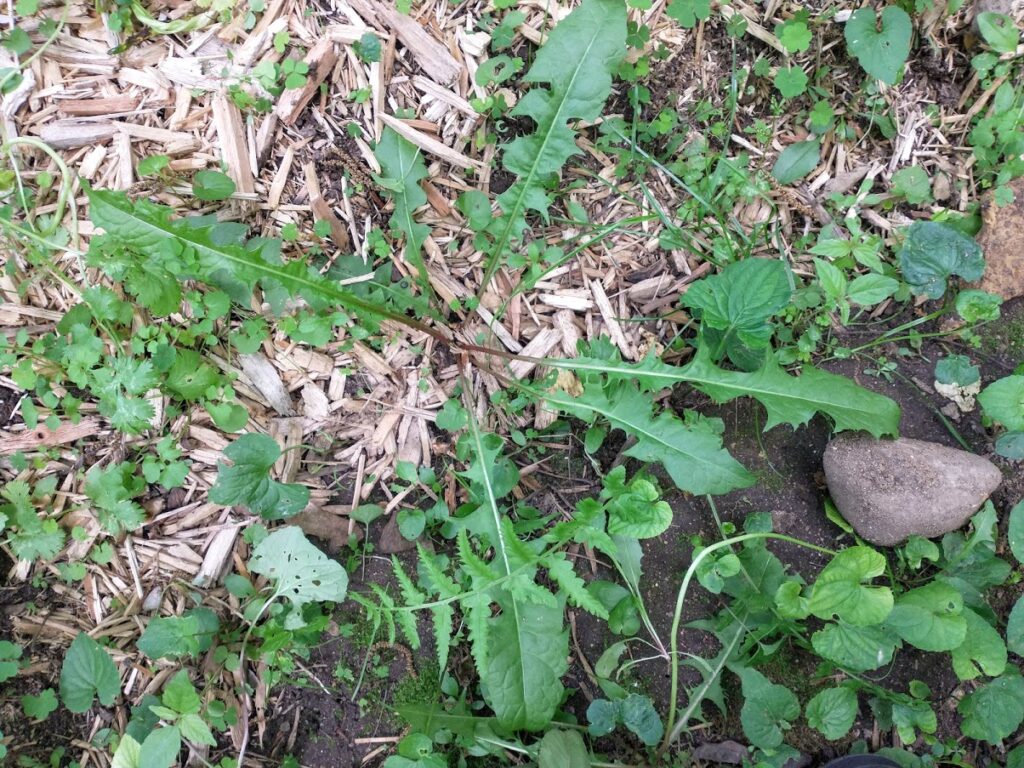
Can’t find a pomegranate in season? – or have a citrus sensitivity? (MCAS/Histamine)- how about dandelion leaf tea then? (3, 4) Look for dandelions in a wild area or lawn where the owner doesn’t use herbicides or pesticides.
Pine needle tea may also be protective as a source of beneficial terpenes, vitamin C, and other phytonutrients. Indigenous Americans use cedar or other evergreen needles for a medicinal tea. Avoid over-heating or boiling as excess tannins are a diuretic and may be an irritant in quantity; and the oily terpenes may add too much of a taste like turpentine. (5) It is recommended to boil water, let it cool somewhat, and then steep the prepped pine needles for 15 minutes or overnight for a stronger tea. (5, 6) Please be cautious about harvesting evergreen needles from a tree you don’t own, or in a way that is overly destructive to the plant.
Social media posts have mentioned pine or evergreen needles as a source of suramin, and that is not true according to a plant scientist. Safe species of evergreens are good source of vitamin C, and also “shikimic acid [which] has been shown to hold anti-sticky platelet properties as well… very helpful in protecting against blood clots!”
“So drink pine tea… we’ll have my own formula on offer at our store… its delicious! But, please be careful, as always, when sharing information about our plants. At best, it drives a frenzy of demand on the market for foraged herbal goods… sometimes that can damage our plant communities in more ways than you can imagine. At worst, the misinformation can damage our cause and feed the idea that those of us in alternative channels don’t actually do science.” (6)
Shikimic acid is also found in Star anise and is used in the production of the anti-viral medication Tamiflu. (6)
I found Star anise very helpful while I was sick with the respiratory symptoms of COVID19, just a few pieces broken off and added to a cup of tea was soothing for my throat. I seemed to become sensitized to it though and got similar symptoms from the blue spruce tea that I tried recently (urinary urgency, and over acidity possibly). Drink plenty of water following a medicinal tea as part of the benefit can be in peeing out an increased amount of toxins – but the kidneys need the water to be able to do that without endangering the delicate renal system.
- *Caution is deserved with trying anything new. We are all different and also vary within our own state of health and aging. So pay attention to how you feel shortly after trying something and also the next day. Some side effects of dietary supplements can occur a few hours later or the next day.
Vitamin C is also critically important for healthy blood vessels and the prevention of excessive blood clotting.
- See: Vitamin C, IL-6, and respiratory failure in COVID19
- Endothelial cells, COVID-19, and Vitamin C
- COVID19, summary of nutrients that might help prevent, treat, recover.
- Epigenetic changes may also be involved in Covid19 or LongCovid
Glycine is also needed for protecting blood vessel membranes and the blood brain barrier. It is used in collagen which is a fibrous protein that adds structure to the gelatin like fluid surrounding cells and within them. Glycine – good for our extracellular matrix & for immune protection against viral infection.
Glyphosate from Roundup herbicide use may be part of the health problems and varying risk. Biofuel made from biomass grown with Roundup type herbicides is likely causing glyphosate residue in the air surrounding the production facilities and in the areas where that type of biofuel is used by many of the cars and trucks. Glyphosate is also in the food supply in the foods grown with it, ingredients from those foods, or animal products from animals fed Roundup crops. It is an amino acid that can take the place of glycine and cause misfolding of protein chains. Avoiding sources and taking extra Dimethylglycine may be helpful for health. It is available as a refined amino acid powder. See: Glycine & glyphosate & misfolded proteins – Seneff article.
Niacin and other B vitamins help with the removal of cellular debris from the extracellular matrix or pathogens, or damaged or infected cells.
- Niacin, & early treatment in general for SARS-CoV-2 is sensible, reduces hospitalization and mortality rate.
- Niacin may help prevent or treat migraines. – has a graphic of the Citric Acid Cycle and a list of all the nutrient cofactors needed in addition to niacin for our mitochondria to be able to function aerobically – using oxygen to burn glucose for energy. When the mitochondria have to burn glucose or glutamate anaerobically, without oxygen by fermentation, then cancer and other mitochondrial disease conditions may be more likely to occur.
Amyotrophic lateral sclerosis (ALS) is the neurodegenerative disease that led to physicist Stephen Hawkings having to use a wheelchair most of his adult life. ALS can involve misfolded proteins and begins with mitochondrial dysfunction. Mitochondrial dysfunction can precede Alzheimer’s dementia and Parkinson’s Disease also, and both involve misfolded proteins.
“Functional defects in mitochondria appear early before symptoms are manifested in ALS. Therefore, mitochondrial dysfunction is a promising therapeutic target in ALS. This article is part of a Special Issue entitled: Misfolded Proteins, Mitochondrial Dysfunction, and Neurodegenerative Diseases.” (8)
Our cellular debris removal system would remove misfolded proteins for reuse of the amino acids during good health. Niacin and the rest of the B vitamin team, magnesium, and vitamin C are needed for mitochondrial function.
Thiamin (B1) is commonly available in the diet but is needed in much greater quantity when an infection or inflammation is present. Vitamin C is also needed in greater amounts than during typical health along with magnesium and many nutrients. When the body has to do more work – it needs more fuel and tools that are single use or limited use. Some nutrients can be recycled while others need to be replaced for each chemical reaction.
Phytonutrients are numerous in fruits, vegetables, herbs, spices, and many beverages made with plant products. Eating a rich variety of foods provides the body nutrients and phytonutrients that have anti-viral, anti-inflammatory, and immune system promoting benefits.
In Nepal many herbs and spices are used in daily cooking, including “turmeric, cumin, coriander, ginger, garlic, onion, pepper, corm, fenugreek, and chili,” and even more variety of spices may be used on special occasions, or in pickles and other home-made dishes. (9)
- Garlic: Antioxidant, anti-inflammatory, antibacterial, antifungal, immunomodulatory, cardioprotective, anticancer, hepatoprotective, antidiabetic, etc. (Batiha, 2020a)
- Onion: Antioxidant, antimicrobial, antidiabetic properties, beneficial against hyperlipidaemia and hypertension, etc. (Marrelli et al. 2019)
- Black Cumin – Bunium persi: Antibacterial, antifungal, anticonvulsant effects, antihistaminic, antinociceptive, anti-inflammatory, , antioxidant, etc. (Hassanzadaza et al. 2018; Shah et al. 2019) * may be helpful for MCAS/Histamine excess
- Black Cumin – Nigella sativa, Antidiabetic, analgesic, anticancer, antimicrobial, anti-inflammatory, antioxidant, spasmolytic, gastro-protective, etc. (Ahmad et al. 2013). *These seeds are used for Black Seed Oil, it may be helpful against SARS-CoV-2.
- Chili: Antioxidant, cancer chemopreventive, antidiabetic, gastroprotective, and antimicrobial activities, pain relief, treatment of metabolic syndrome, etc. (Salehi et al. 2018)
- Coriander: Antioxidant, diuretic, antidiabetic, sedative, antimicrobial, anti-convulsant, hypnotic, anthelmintic, antimutagenic, etc. (Nadeem et al. 2013)
- Cumin: Antimicrobial, anti-inflammatory, analgesic, antioxidant, hypotensive, antiosteoporotic, tyrosinase inhibitory effects, etc. (Al-Snafi 2016; Gangadharappa et al. 2017).
- Fennel: Antimicrobial, antifungal, antioxidant, antithrombotic, anti-inflammatory, hepatoprotective, antitumor, activities, etc. (Rather et al. 2016).
- Flax: Antifungal, antioxidant, antihypertensive, cholesterol lowering, antidiabetic, antithrombic, antiobesity activities, etc. (Goyal et al. 2014, Tavarini et al. 2019).
- Licorice: Anticoagulant, expectorant, antidemulcent, antiulcer, anticancer, anti-inflammatory, antidiabetic, antiviral, antioxidant, hepatoprotective, immunomodulatory, etc. (Batiha et al. 2020b). The whole root as an herbal preparation may have anti-viral benefits against SARS-CoV-2. It is an herb I happen to use anyway so was using it while sick, March 2020.
- Star anise: Anti-inflammatory, antioxidant, antimicrobial, antifungal, anthelmintic, insecticidal, expectorant, sedative, gastroprotective and antinociceptive, etc. (Patra et al. 2020, Wang et al. 2011). I also used Star anise in tea and it did sooth my sore throat. Citrus peel had a stronger mucus thinning (expectorant) effect for me.
- Spearmint: Antioxidant, antimicrobial, antiviral, anti-inflammatory, biopesticidal, larvicidal, anticancer, radioprotective effect, genotoxicity, and antidiabetic activities, etc. (Mahendran and Rahman 2020).
- Mango powder: Antimicrobial, antitumor, antidiabetic, analgesic, and anti-inflammatory activities, antipyretic, antiallergic hepatoprotective, etc. (Gupta et al. 2010, Kabir et al. 2017)
- See the article pdf (Khanal et al, 2021, (9)) for more herbs, spices and foods and their phytonutrient content and their medicinal benefits. (9)
Nicotine? maybe yes.
Nicotine itself may have health benefits, especially for some genetic types – it is the smoking that is particularly a cancer risk. Nicotine may help block the spike protein. – more to this – will add later. link of interest: Nicotinic Acetylcholine Receptor Involvement in Inflammatory Bowel Disease and Interactions with Gut Microbiota. (11)
Disclaimer: Opinions are my own and the information is provided for educational purposes within the guidelines of fair use. While I am a Registered Dietitian this information is not intended to provide individual health guidance. Please see a health professional for individual health care purposes.
Reference List
- A Phase 1/2/3, Placebo-Controlled, Randomized, Observer-Blind, Dose-finding Study to Evaluate the Safety, Tolerability, Immunogenicity, and Efficacy of SARS-COV-2 RNA Vaccine Candidates Against COVID-19 in Healthy Individuals. Nov 2020, Pfizer – BioNTech, PF-07302048 (BNT162 RNA-Based COVID-19 Vaccines) Protocol C4591001 https://media.tghn.org/medialibrary/2020/11/C4591001_Clinical_Protocol_Nov2020_Pfizer_BioNTech.pdf
- Associated Press Staff, ‘Vaccine shedding’: No, COVID-19 vaccine does not spread by inhalation or skin contact. May 19, 2021, ChicagoTribune.com, https://www.chicagotribune.com/coronavirus/vaccine/ct-aud-nw-vaccine-shedding-20210519-iqi4fskovrcnfnsb5suaodd7n4-story.html
- Dr. Liji Thomas, MD, Dandelion extract inhibits SARS-CoV-2 in vitro. March 23, 2021, medical.net https://www.news-medical.net/news/20210323/Dandelion-extract-inhibits-SARS-CoV-2-in-vitro.aspx
- Hoai Thi Thu Tran, Nguyen Phan Khoi Le, Michael Gigl, Corinna Dawid, Evelyn Lamy. Common dandelion (Taraxacum officinale) efficiently blocks the interaction between ACE2 cell surface receptor and SARS-CoV-2 spike protein D614, mutants D614G, N501Y, K417N and E484K in vitro. bioRxiv 2021.03.19.435959; doi: https://doi.org/10.1101/2021.03.19.435959 https://www.biorxiv.org/content/10.1101/2021.03.19.435959v1
- Eric Orr, Pine Needle Tea – Natural Source of Vitamin C. wildedible.com https://www.wildedible.com/pine-needle-tea-natural-vitamin-c
- MockingbirdMeadows, Pine Needle Tea, Suramin, and COVID Shots. May 11, 2021, mockingbirdeadows.com, https://mockingbirdmeadows.com/2021/05/11/pine-needle-tea-suramin-and-covid-shots/
- Singh, A., D’Amico, D., Andreux, P.A. et al. Direct supplementation with Urolithin A overcomes limitations of dietary exposure and gut microbiome variability in healthy adults to achieve consistent levels across the population. Eur J Clin Nutr (2021). https://doi.org/10.1038/s41430-021-00950-1 https://www.nature.com/articles/s41430-021-00950-1
- Wenzhi Tan, Piera Pasinelli, Davide Trotti, Role of mitochondria in mutant SOD1 linked amyotrophic lateral sclerosis, Biochimica et Biophysica Acta (BBA) – Molecular Basis of Disease, Vol 1842;8, 2014, pp 1295-1301, ISSN 0925-4439, https://doi.org/10.1016/j.bbadis.2014.02.009. https://www.sciencedirect.com/science/article/pii/S0925443914000489
- Asmita Khanal, Hari Prasad Devkota, Sammodavardhana Kaundinnyayana, Prakash Gyawali, Ravindra Ananda, Rameshwar Adhikari. Culinary herbs and spices in Nepal: A review of their traditional uses, chemical constituents, and pharmacological activities. Ethnobotany Research and Applications, Vol 21, 2021 http://ethnobotanyjournal.org/index.php/era/article/view/2753
- Me64_p71, Analysis of a Covid-19 vaccinated person. June 12, 2021, substack.com, https://me64p71b7e.substack.com/p/analysis-of-a-covid-19-vaccinated?r=hjhk4&utm_campaign=post&utm_medium=web&utm_source=copy
- https://www.mdpi.com/1660-4601/18/3/1189/htm