COVID19, summary of nutrients that might help prevent, treat, recover.

I had untested Covid19 like illness Feb/March prior to when testing was available. Antibody testing wasn’t available until 3 months later and it was negative at that time. My symptoms and timeline matched the description of the still novel illness. Due to my autoimmune illness history I already was familiar with and using daily, many phytonutrients, in addition to other nutrients.

I managed to get better on my own but the symptoms got into breathless asthma like problems with non-productive cough before I started recovering and my history of colitis-like/inflammatory bowel symptoms also flared up but I was also familiar with what foods could help get that back under control instead of worsening. Severe diarrhea can be deadly too and a percentage of Covid patients did have bowel symptoms too, see the pomegranate peel section below for a link. (More specifics on my illness: Treatment vs a ‘Cure’.

Twenty two other nations besides the United States are distributing medications, nutrients, and/or therapeutics, for early at home treatment for their citizens. (rcm.imrpress.com)

Citrus Peel and Bioflavonoids

Patients could be helped with some non-toxic, inexpensive, readily available nutrients and phytonutrient foods. Bioflavonoids – citrus peel – was what I added to my routine as the non-productive cough got worse – within 10-20 minutes the mucus had loosened and my airways opened and I could cough it out. Vitamin C, chewable 100 mg (what I had), also soothed my sore throat and helped with breathing. The serving of citrus peel to open the airway (lots of research on bioflavonoids for asthma exists) that I found helpful was about 2 teaspoons of orange zest every few hours or one navel orange peeled with a sharp knife so the white pith was left on the orange instead of being removed. (citrus peel posts)

Powdered bioflavonoid is readily available for purchase in bulk and the inner pith is mild – it could simply be added to foods for patients still able to eat. Bitter taste receptors in the lungs are activated and cause thinning of the mucus, opening of airways, and increase in cilia moving the mucus up and out of the lungs. Bioflavonoids are also a source of some vitamin C, quercetin, and a variety of flavonoids that may also be available as single nutrients such as hesperidin and that might help patients who could only be given nutrients intravenously (Evaluation of the Intravenous and Topical Routes for Ocular Delivery of Hesperidin and Hesperetin). Like vitamin C, hesperidin and other flavonoids can help reduce risk of vascular problems. 

Zinc Ionophores, anti-viral, anti-microbial.

Quercetin and EGCG, found in green tea and pomegranate peel, have similar anti-viral mechanism of action as Hydroxychloroquine & Ivermectin, though those medications have other anti-viral action also. Pomegranate peel also has other mechanisms of action as an anti-viral. The inner peel is milder than the outer rind and both are sources of potent phytonutrients. The inner peel can be chopped fresh or dried and powdered to add to soup or salads in small amounts, about one to two tablespoons for a recipe. The outer peel is more bitter and can be used to make a tea/extract, simmer gently for about 20-30 minutes. Overheating too long deactivates some of the medicinal nutrients.

Niacin and other B vitamins have anti-viral power, and are needed to help with energy level and reducing inflammation.

Adequate B vitamins are also important for preventing vascular and other symptoms. Thiamin (needed in higher amounts during an infection, Operation Thiamine – Reducing the Need for Hospitalization of Patients with COVID-19.), riboflavin, and niacin also have anti-viral action. The niacin can be very effective at higher doses, given in the ‘flush’ form, building up to 1000 mg day. (Sufficient Niacin Supply: The Missing Puzzle Piece to COVID-19, and beyond?.)

Symptoms of low niacin/B3 include dermatitis, skin rash or dryness, the lower legs in particular may show the skin symptoms; diarrhea; and worsening deficiency can cause dementia, and ultimately death if left untreated. See: Pellagra: dermatitis, dementia, and diarrhea.
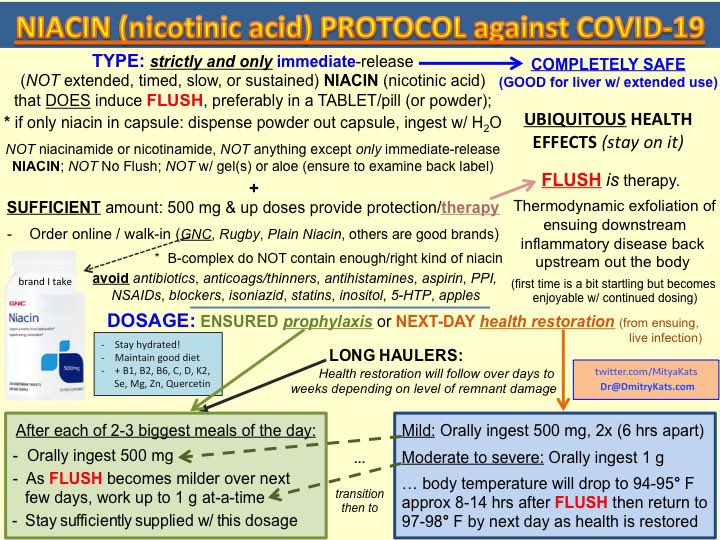
Niacin (nicotinic acid) Protocol against COVID-19,
shared with permission of the author, Dmitry Kats, PhD.
*The apples and antihistamines can decrease the flush effect if it seems like too much and should be fine at other times of the day, than taken with or shortly after the niacin dose.

For more about the benefits and possible risks for a few types of people, which might be reduced by the additional use of quercetin, see the post: Niacin, & early treatment in general for SARS-CoV-2 is sensible, reduces hospitalization and mortality rate.

People with a methylation gene difference may be at more risk because the methylated folate and B12 are essential for homocysteine metabolism. Excess homocysteine is a cause of atherosclerosis. Sulfate and vitamin C are also needed for preventing excess homocysteine (Review: Chemical Pathology of Homocysteine. V. Thioretinamide, Thioretinaco, and Cystathionine Synthase Function in Degenerative Diseases)

An overview paper describes the role the various B vitamins have in reducing inflammation and/or helping us fight a viral infection: Be well: A potential role for vitamin B in COVID-19.

Magnesium helps white blood cells kill infected cells & protects the brain from inflammation risks.

Epsom salt, magnesium sulfate, can be absorbed through skin pores (any studies about magnesium chloride not being that well absorbed have little to nothing to do with the absorbability of a hydrated magnesium sulfate molecule). The sulfate is bioactive and patients would also be helped by the magnesium. Magnesium is nature’s calcium channel blocker and so would help protect against cell damage from excess calcium being allowed into cells. Magnesium is also essential for white blood cells to be able to perform apoptosis, killing infected cells and removing them safely. Poor intestinal absorption is not uncommon and topical magnesium or intravenous may help, especially if muscle cramps are a symptom. Lab tests showing hypokalemia can also suggest low magnesium is a problem. (Mechanism of Hypokalemia in Magnesium Deficiency – JASN)

Magnesium also is needed as a calcium channel blocker to protect against stimulation by EMF energy which can also open the calcium channels. (Klinghardt pdf) See post: EMFs and Intracellular Calcium – Magnesium is nature’s calcium channel blocker. For the long hours of sleep in particular it can help reduce inflammation risk to remove or turn off WiFi devices from the sleeping area or nearby rooms. Various products are available that block EMF such as cell phone cases and modem covers which help reduce excess energy release, (educateemf.com/WiFi Router Guards) turning it off while sleeping would be ideal if possible.

The SARS-CoV-2 virus can add viroporins to the infected cell’s membrane which allows calcium to enter. The excess calcium within a cell causes the creation of NLRP-3 inflammasomes which produce cytokines that increase inflammatory changes in other cells, (“pro-inflammatory IL-1β cytokines“). (Klinghardt/3/19/2020,pdf) The viroporin channels vary somewhat for different virus and one type is blocked/inhibited by the anti-viral medications “amantadine and rimantadine.” (viroporins) Adequate magnesium would help protect other cells if/when an infected cell burst open to release the newly replicated virus from the infected cell. Phytonutrients that may help inhibit NLRP-3 inflammasome assembly are listed towards the end of this post: Phytonutrients that may help against SARS-CoV-2.

Avoiding EMF exposure would help by not adding more activation of our own calcium channels and promoting even more entry of excess calcium into all of our cells (our whole body being exposed to the EMF somewhat equally depending on the source, or more to our ear/hand if holding a smartphone). (Klinghardt/3/19/2020,pdf)

Blackout curtains or an eye mask for sleeping or napping can help with eye sensitivity and may help the body make more melatonin which has protective effects against viral infection and inflammasome production. Vitamin C also reduces inflammasome production and can reduce over negative effects on blood vessels. (Klinghardt/3/19/2020,pdf)

Zinc helps us make antibodies and immune cells, and has antiviral power when given with a zinc ionophore.

Zinc is needed to make mature T-cells and for the thymus gland to make antibodies. Zinc is needed for the gene transcription of bitter (and other) taste receptors. Patients who have lost their sense of taste and smell may be experiencing zinc deficiency. Zinc is involved in protein replication and zinc ionophores are antimicrobial because of the ionophore carries the zinc to cells with excess iron (sign of infection or cancer) and help the zinc enter the cell where the zinc then disrupts protein replication – so no virus will be made. The current nutrient guidelines for zinc are likely half what an elderly person needs to promote thymus gland function. During an acute infection more can be given safely but high dose zinc can accumulate so is not for long term use. (jenniferdepew.com/zinc) (other nutrients that may promote T-cells)

Zinc ionophores that have been found effective in many other nations of the world include hydroxychloroquine and ivermectin. Hydroxychloroquine has been safe and effective if given within the first few days to week of symptom onset and ivermectin has been found helpful in preventive, early treatment, and later stage treatment. Phytonutrient zinc ionophores that I was using anyway include quercetin and EGCG from pomegranate peel (my primary source – it is a main research interest of mine) or green tea. (effectivecare.info/pomegranate)(Pomegranate peel – anti-COVID19, may block ACE2 receptor access to the SARS-CoV-2 virus)

  • Ivermectin, a zinc ionophore, has helped in South America and elsewhere, review.
  • Hydroxychloroquine is also a zinc ionophore and has also been found effective given early with zinc and azithromycin: study .
  • Quercetin and EGCG are phytonutrient zinc ionophores that also have shown some benefit as antivirals against SARS-CoV2 and are available in foods and as herbal supplements.

Zinc is also needed for beneficial intestine microbes. Poor gut health has been linked to severe COVID19.

Zinc is also critically important for having a healthy microbiome – intestinal bacteria that help us instead of harming us. Beneficial species use as much as 30% of the zinc from our diet and if our daily diet is consistently low in zinc then more harmful species that don’t need zinc will grow instead. (Chronic Dietary Zinc Deficiency Alters Gut Microbiota Composition and Function, ) Poor gut health has been linked to more severe COVID19. (New Research Shows Poor Gut Health Connected to Severe COVID-19 – Probiotics May Help Patients)

Vitamin D deficiency has been found in as many as 80% of patients with severe COVID19 – it is needed for immune function & reducing risk of an over reaction that is inflammatory & can lead to long term autoimmune disease.

Vitamin D has been clearly shown to be a factor in severe COVID19 (an early study, April 2020) and it is unclear to me why the population as a whole is not being encouraged to take vitamin D and zinc right away – both are needed before an infection ideally. The vitamin D helps reduce risk of an autoimmune type cytokine over-reaction and the zinc is needed to make antibodies and help T-cells to change from immature to functional.

Studies … show an increased risk of infection in those with low vitamin D levels and a 25 to 30-fold reduced risk of ICU admission and a substantial reduction risk of death in older COVID-19 patients supplemented with vitamin D.” ~ Dr. Dan McCartney

Vitamin D and SARS-CoV-2 infection—evolution of evidence supporting clinical practice and policy development, McCartney et al, 2020. (quote via @mercola)

Low vitamin D levels has been associated with a greatly increased risk of death from severe COVID-19. Levels of vitamin D above 33 ng/ml seems most protective and the greatest risk seen with levels below 27 ng/ml according to one study. (Raharusun et al, an early study, 4/2020)
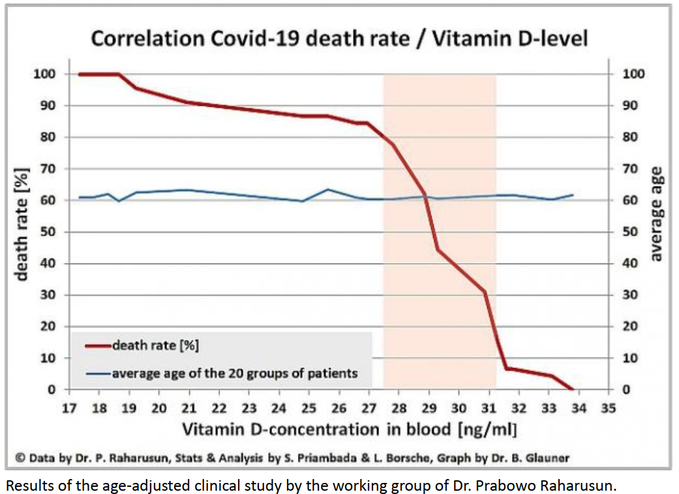
Low vitamin D levels were significantly associated with increased risk of death from severe COVID19 illness. Levels above 33 ng/ml seem most protective against mortality risk.
Results of the age-adjusted clinical study by the working group of Dr. Prabowo Raharusun,” Patterns of COVID-19 Mortality and Vitamin D: An Indonesian Study, an early study, 4/2020.

Standard nutrient guideline dosing of vitamin D may be adequate for protection but it needs to be prior to exposure to the infectious pathogen. Defense doesn’t help as much after an allergic/autoimmune over-reaction already developed. A review found that moderate dose supplements in advance helped reduce risk of respiratory infection by as much as 50%, while mega dose supplements of vitamin D taken after the respiratory infection had already begun were not significantly helpful. (Vitamin D supplementation to prevent acute respiratory tract infections: systematic review and meta-analysis of individual participant data) The vitamin D3 form is more bioactive than the vitamin D2 form that is more typically available in one-a-day type supplements, if you have a choice about what to buy.

Pomegranate peel has anti-viral effects, a zinc ionophore and other phytonutrients that have brain protecting effects, and it can help intestinal health.

Pomegranate peel is a good source of hydrolysable tannins which can be healing to mucus membranes/GI tract) in smaller amounts and an irritant in larger amounts, also a diuretic, so dosing does matter – but I had colitis like flare-up with my CoV-like illness and my bean soup with a little pomegranate peel and Gumbo file was very soothing. The second half of this post has a list of hydrolysable tannin sources and mucilaginous foods or seasonings, which include Gumbo file: ACE2, Diarrhea, & COVID19 – it gets complicated.

Selenium deficiency is also more common in patients with severe COVID19.

Selenium deficiency has also been associated with more severe COVID19. Iodine is needed for immune function but I haven’t seen a direct finding of deficiency associated with severe CoV19. Vitamin A deficiency causes lack of immune function but excess conversion to active retinoic acid within the liver may be a factor in LongCovid – I have improved my health post CoV by reducing beta-carotene foods and I already had cut out all animal products during a previous autoimmune flare-up which helped. At the time I suspected I had developed an albumin autoimmune problem but maybe vitamin A was involved. I am still reading on this topic, very complex (Retinoid Toxicity)

Omega 3 fatty acids are anti-inflammatory and may help protect against death from COVID19.

Omega 3 fatty acids are the type found in fish oil, known also as EPA and DHA, and precursor, ALA, found in plant sources such as walnuts, flax seed meal and Black Currant Oil. Patients with severe COVID19 who had higher levels of omega 3 fatty acids had lower risk of dying of the infection than people with lower levels. (nutraingredients-usa.com) Omega 2 fatty acids EPA and DHA have been found to be made into a endogenous cannabinoid form that has anti-inflammatory benefits. (Emerging Class of Omega-3 Fatty Acid Endocannabinoids & Their Derivatives)

Post recovery may have fatigue from anemia of chronic inflammation and worse symptoms may involve overproduction of the active form of vitamin A – retinoid toxicity.

The liver changes that lead to overproduction of active vitamin A can occur with Epstein Barr viral infection. I had mononucleosis in high school and chronic fatigue type symptoms since then, off and on. Post recovery this March I was still extremely fatigued and it felt like anemia of chronic inflammation/infection to me and I added artemisinin twice a day as an iron chelator and it helped within just a day or two, I was able to start going on short walks outside instead of feeling like the bedroom to the kitchen was too much exercise. (Artemisinin, arteannuin-B, sgp130Fc and COVID-19

Pain hurts. Health is better. We need all of the nutrients for health and in much greater amounts for some during illness. During health we make the antioxidant equivalent of 300 oranges – during illness we may no longer be able to do so, but we can’t eat 300 oranges, two teaspoons of citrus peel would have more antioxidants than one orange.

Resources with dosing recommendations for early or preventive self care by medical groups or professionals.

Regarding dosing for supplements – see an individual health care provider for individual guidance and here are some recommendations by medical groups or medical professionals:

  • Immediate Treatment for Early Stage SARS-CoV-2 Infections Recommended To Be Supported Nationally Starting Now,  Authored by Ben Kaplan Singer, M.D.; Daniel Stickler, M.D.; Avery J. Knapp Jr., M.D.; with many contributing doctors.  (googledoc)
  • TCM Treatment of COVID-19, based on extensive experience in Chinese hospitals, by Adam Tate, March 20, 2020, updated March 25, 2020. (medicinetraditions.com) — This document includes a description of the progressive or varying stages of COVID19 illness. It includes examples of symptoms that occur in the different stages, and herbal recipes recommended for the specific stage and symptom set. The Chinese medical professionals have found that a combination of the traditional medicinal herb mixtures and modern medicines to be more effective than either alone for treating patients with more severe COVID19 infections. 
  • EVMS Critical Care COVID-19 Management Protocol, Developed and updated by Paul Marik, MD (17)
  • The Zelenko Protocol with over-the-counter self care and clinician guidance for the medication dosing is available here: Zelenko Protocol. For prevention: Zelenko COVID-19 Prophylaxis Protocol.
  • Dr Klinghardt’s COVID-19 Prevention & Treatment Guidance Summary, (website/to download pdf) (pdf) (summary pdf)
  • Physician Secrets Revealed: Outpatient Treatment For Covid-19, By Peter A. McCullough, MD, MPH (physicianoutlook.com)

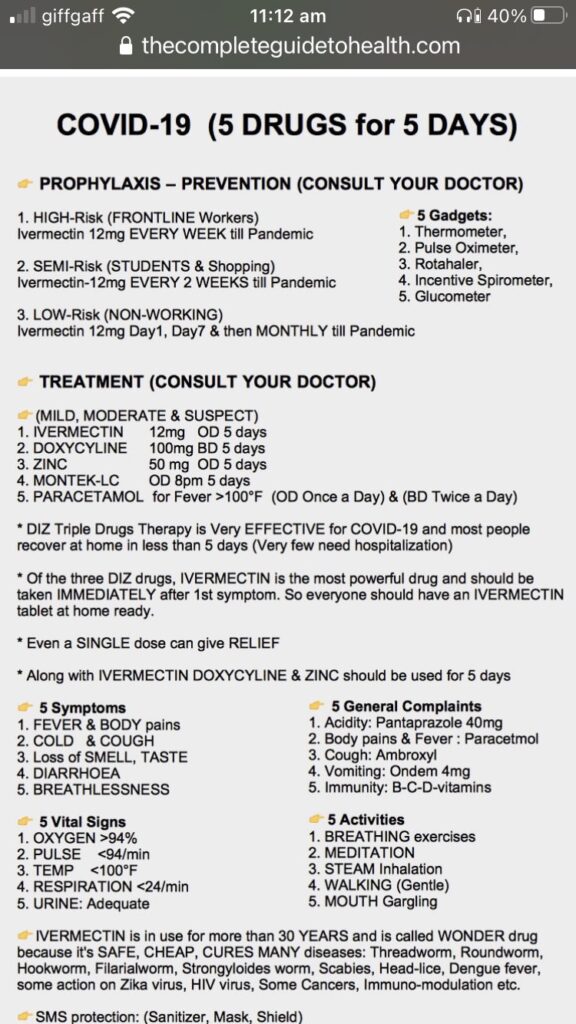
A graphic summary of care guidance said to be used in Australia was shared on a social media site (harley_carter1). The protocol recommends Ivermectin, zinc, doxycyline, Montek-LC, Paracetamol for fever (better known as acetaminophen in the US). However I am unsure of the specific origin other than the site on the screen shot: (thecompleteguidetohealth.com/ivermectin.html#AUSTRALIA).
Disclaimer: This information is provided for educational purposes within the guidelines of fair use. While I am a Registered Dietitian this information is not intended to provide individual health guidance. Please see a health professional for individual health care purposes.

Pomegranate peel – anti-COVID19, may block ACE2 receptor access to the SARS-CoV-2 virus

Pomegranate peel extract has been found helpful at preventing access of the SARS-CoV-2 virus to ACE2 receptors in a cell based study (in vitro). The pomegranate peel extract would contain mixed plant phytonutrients that might include EGCG, ellagitannins and gallotannins. The extract also inhibited “the activity of the virus 3CL protease.” (1)

In this study, by using different in vitro approaches, we uncovered the role of a pomegranate peel extract in attenuating the interaction between the SARS-CoV-2 Spike glycoprotein and the human Angiotensin-Converting Enzyme 2 (ACE2) receptor, and in inhibiting the activity of the virus 3CL protease.” (1)

Ellagitannins and gallotannins are hydrolyzable tannins and have been found to have anti-viral effects against the herpes simplex virus. (search results ellagitannins antiviral)

Disclaimer: Opinions are my own and the information is provided for educational purposes within the guidelines of fair use. While I am a Registered Dietitian this information is not intended to provide individual health guidance. Please see a health professional for individual health care purposes.

Reference List

  1. Annalisa Tito, Antonio Colantuono, Luciano Pirone, Emilia Pedone, Daniela Intartaglia, Giuliana Giamundo, Ivan Conte, Paola Vitaglione, Fabio Apone A pomegranate peel extract as inhibitor of SARS-CoV-2 Spike binding to human ACE2 (in vitro): a promising source of novel antiviral drugs. bioRxiv 2020.12.01.406116;  doi: https://doi.org/10.1101/2020.12.01.406116 This article is a preprint and has not been certified by peer review. https://www.biorxiv.org/content/10.1101/2020.12.01.406116v1

Epigenetic changes may also be involved in Covid19 or LongCovid

Epigenetic changes may be involved in Covid19 and LongCovid, which might be able to be changed back with the addition of plenty of methyl donor vitamins. People with methylation genetic alleles would be more at risk for epigenetic changes to DNA or actin protein filaments. Actin are semi flexible proteins in a double helix shape which support the fluid and organelles inside of cells and around cells and organs of our bodies. Actin also is involved in guiding the work of DNA replication and growth and development of cells or infants.

Methylation is the addition of a methyl group – one carbon atom and three hydrogen atoms, to genes, or actin filaments. A methylated gene is not active for encoding proteins while a demethylated gene is available to be transcribed into a messenger mRNA to be made into a matching protein. Actin filaments are a double helix shape like DNA but do other functions throughout our body. Some have methyl groups also that seem to be essential for proper function of the actin protein whether in muscle contraction or in guiding chemicals within cells to make DNA or do other work. Actin filaments add structure to the jelly like fluid around and in cells and may tether chemicals in place for chemical reactions or guide cellular organization during growth and development.

Actin may be involved with energy fields of our body along with microtubules also, but that is not discussed in greater detail in this post (more information about quantum energy fields and actin is included in Cracking Nature’s Code (2019) (1), and in several posts on another site of mine first in the series, 2nd, 3rd, 4th).

Viral infection and epigenetic changes with a focus on Postural Orthostatic Tachycardia Syndrome and possible dietary and lifestyle changes that may help reverse epigenetic changes is the focus of this post – which got long. It is also available as a section of this document that includes the series on Mast Cells and Histamine. Current standard of treatment for patients with POTS symptoms may leave them unwell for years – a few get better more rapidly. I got better on my own within a few months – twice. More about possible strategies for improvement of epigenetic changes will be included later in the post. More about the epigenetics involved in POTS is included in the Genetics/Epigenetics chapter of my book draft which is available on a platform where you can get an e-copy early (minimum price Free, Leanpub/Tipping The Clock Toward Health) and then be informed of updates with an email subscription.

Viral infection can cause Epigenetic changes.

Bacterial (Pacis et al., 2015, 2) and viral infection (Lichinchi et al., 2016, 3) directly impact methylation patterns, most likely orchestrated by actin since it is universally hi-jacked in viral infectivity (Cudmore et al. 1997, 4; Ohkawa and Volkman, 1999, 5; Lu et al., 2004, 6; Marek et al., 2011, 7).

page 34, JB Head, PhD, Cracking Nature’s Code (2019) (1)

I found I have methylation gene alleles in a genetic screening (post: Methylation Cycle Defects – in me – genetic screening “for research purposes only”). Since finding out I stopped taking standard supplements of B12 and folic acid because they are not methylated, not bioactive. I take methyl B12 & methyl folate supplements now. Postural Orthostatic Tachycardia Syndrome (POTS) (9) has been a problem for me in past years a couple times and I got better. Symptoms include a rapid heart rate, tachycardia, and feeling faint or blacking out, especially when getting up quickly from a seated or laying down position to standing. (9) I have heard anecdotal reports of it being a symptom for some LongCovid survivors who had never had the problem before.

To slow the rapid heart rate during an episode I found it helpful to stop and sit or lay down with my feet above my heart if possible and just wait a couple minutes for the rapid heart rate to slow again. Continuing to exercise would make the rapid heart rate worse. Preventing the faintness upon rapidly getting up required trying to remember to slow down and have a support ready to hold if I felt wobbly. I did faint once, odd to find yourself on the floor unexpectedly.

POTS has been found to potentially involve a genetic difference in the norepinephrine transporter gene (SLC6A2) sequence and it can also be an epigenetic problem with links to excess formaldehyde. (9) Formaldehyde can donate methyl groups to DNA that normally would be unmethylated – active. (10) Methylation of DNA is a little like a on/off switch for genes, or the cap on bottle – add the methyl groups and the DNA gene is inactive.

Formaldehyde as a methyl donor for the methylation of DNA, RNA, and histone acts as an epigenetic factor participating in the reversible and dynamic methylation. DNA demethylation elicits formaldehyde generation in the dividing cells and post-mitotic neurons.” (10) Memory formation involves methylation of DNA and cognitive impairment in older adults is associated with increased internal formaldehyde levels (self-made) and demethylation of DNA. Use of nutrients to remove formaldehyde helped improve memory in an animal based study. (10)

Formaldehyde can be prevalent in secondhand or thirdhand smoke in enclosed rooms, or smog, or we make our own during normal metabolism, and physical or emotional stress conditions may cause an increase, as well as the level potentially increasing in older adults. (11) Elevated levels of formaldehyde within cells causes more breakdown of sugar for energy and increased removal of an antioxidant out of the brain cells, which may increase risk for cognitive damage. “As excess formaldehyde accelerates glycolysis and glutathione export in neural cells, formaldehyde‐induced alterations in brain metabolism and oxidative stress may contribute to the pathological progression of neurodegenerative disorders.” (11)

Formaldehyde is very reactive and can use the methyl group to form links between protein groups or parts that wouldn’t normally be linked – like bungee cords holding parts together in places that would be separate in normal function. (11) Formaldehyde is used with tissue samples to preserve material for viewing under a microscope. Studies of the effect of formaldehyde on the actin protein of live cells that were low on blood sugar found that modifications to the protein did occur – the authors suggest any prior research on the actin protein in formaldehyde treated samples may be inaccurate. (12) Take home point – formaldehyde is not good for our brain cells and may effect the protein of our brain cytoskeleton structure. (12) Protein tangles in brain cells are associated with dementia and autism.

What is a cytoskeleton? We are mostly water, so how do we walk around? With a balance in tension between string like ligaments and muscles and rod like bones of our skeleton. Within the cellular environment, inside and outside the cell membrane – the tent wall, there are rod like microtubules and string like actin protein that is more flexible, it can change shape but isn’t stretchy as much as structurally able to modify in shape. Actin is a double helix, two spirals like DNA except without the ladder like steps joining the two lengths of protein. When force is applied the double helix can get a little longer or shorter as the coils compress or lengthen slightly – tensile strength – and the protein gets stiffer from a side to side direction – torsion – and is less flexible along the length, less able to bend sideways. (13)

The actin protein may act as torsion sensors – is the environment changing in pressure around that section of the protein length – from increased fluid or gas? How full is the balloon like membrane? (14) Channels in a membrane will open and start to leak rather than letting the membrane burst like an overfull balloon. This may seem like a silly discussion – however it is your brain and organs – leaking is better than bursting. Leaking membranes will release fluid and some types of chemicals while a bursting open, as when viral replication is complete and the virus exit a cell, the membrane bursts and all the remaining chemicals in the cell flood into the surrounding cytoskeleton and can cause inflammatory damage to surrounding cells.

These flexible yet firm cytoskeleton actin filaments also may act like guidelines for directing traffic or tethering organelles in place for activity such as replication of DNA during cell division (one cell doubles its DNA and then divides into two cells). Too much of the proteins within a cell nucleus will prevent DNA replication rather than guiding it. (15) Actin is also involved in muscle fiber motion. The double helix structure can also be methylated with methyl groups doing an unknown but critical function. Loss of methylation of actin in one location is associated with cancer and autism spectrum disorders, (16), loss of it in another location along the protein chain is associated with muscle changes that cause female animals to have delivery problems and fewer babies. (17, 18)

So actin is important stringy protein that effects muscle power, cell division, and the brain – and formaldehyde can cause demethylation of DNA, likely it can cause demethylation of actin also which may lead to autism spectrum disorders, cancer, and muscle problems that can affect a healthy delivery of infants (in an animal study). The visual – we want our jelly like insides to have a strong yet flexible tent membrane, tent poles (microtubules), and tie downs (actin) – without having so many tie downs it starts looking like a haunted house full of cobwebs. The amyloid beta protein associated with Alzheimer’s dementia and autism may be protective against a low level infection (post: Magnesium might help protect against beta amyloid placques) but also may increase changes in actin stress fibers (24) and an excess seems to add to chronic inflammatory damage over time.

How do we achieve this? Healthy actin?

It may help promote appropriate methylation of DNA and actin to have adequate antioxidants and methyl donor nutrients in our diet, to reduce oxidative stress chemicals and provide adequate methylation to DNA and actin. Avoiding excessive physical and emotional stress may also be an important strategy, so we aren’t embalming ourselves with self produced formaldehyde (the mummy in the haunted house being our own brain).

We also want to avoid formaldehyde in our environment, which would include improving air quality, especially during sleep hours when our body is focused on detoxification of the brain. Parkinson’s Disease is another chronic condition that may involve epigenetic changes and reducing formaldehyde exposure may be protective. More information is in this post with a link to a longer post about formaldehyde sources: The Cholinergic System

Increasing methyl donor vitamin rich foods and/or supplements should focus on the methylated form if unsure whether there is a genetic allele problem causing lack of methylation.

Methyl groups are important for numerous cellular functions such as DNA methylation, phosphatidylcholine synthesis, and protein synthesis. The methyl group can directly be delivered by dietary methyl donors, including methionine, folate, betaine, and choline.” … “Studies that simulated methyl-deficient diets reported disturbances in energy metabolism and protein synthesis in the liver, fatty liver, or muscle disorders.” … “Hypomethylation has a wide spectrum of effects that include genetic, epigenetic, and metabolic alterations.” (8)

Gastrointestinal problems have been found to be common among patients with Postural Orthostatic Tachycardia Syndrome (POTS) with malfunction or slowing, dysmotility, of the smooth muscle lining of the intestinal tract. “Case study 1: A 20-year-old woman presented to clinic for further evaluation of a several year history of fullness and epigastric discomfort associated with eating and irregular bowel habits. Her weight was stable. She also described frequent migraine headaches, episodic palpitations and lightheadedness with progressively increasing episodes of syncope. A systems review was notable for profound fatigue, dry eyes and mouth and intermittent flushing and pruritus.” (19) The patient’s symptoms include many in common with Mast Cell Activation Syndrome, however testing for mast cell activation was normal. Patients whose symptoms followed a viral infection tend to get better more often than patients with a family history of POTS. (19)  

A number of chronic conditions are frequently seen in patients with POTS and contribute to symptom burden and reduced quality of life. Common comorbidities include chronic fatigue syndrome, fibromyalgia, interstitial cystitis, and migraine headaches. Other unique conditions that seem to occur with increased frequency in POTS are autoimmunity, the hypermobile form of Ehlers-Danlos syndrome (HM-EDS), and mast cell activation disorder (MCAD).” (19)  

“Unlike mastocytosis, idiopathic mast cell activation [MCAD] occurs in the absence of mast cell proliferation and with episodic accumulation of mast cell mediators in the plasma or urine, usually present when symptomatic. Patients with MCAD typically present with episodic “attacks” of flushing, urticaria and pruritus accompanied by lightheadedness, dizziness, dyspnea, nausea, headache, diarrhea, and/or syncope; symptoms representative of the hyperadrenergic type of POTS with biochemical evidence of MCAD (20).” (19)

The patient in case study 2 had ongoing nausea, vomiting, abdominal pain, and weight loss continuing for years following a viral infection. She was found to have deficiency in iron, zinc, and vitamin B12 and gastroparesis (slow or little intestinal muscle action). Intravenous iron and B12 were provided and an oral zinc supplement. Nutrient levels improved however the GI symptoms and weight loss continued and the patient was given tube feedings which improved weight, however some intolerance to the tube feedings continued and abdominal pain persisted. (19)  

If demethylation of actin protein in the muscle tissue of the intestinal wall was a problem for the patient in case study 2, then it may have been a factor in the gastroparesis. Genetic screening for methylation defects is not mentioned. Supplements of B12 are often an unmethylated form, cyanocobalamin, and which include cyanide. (21) In a study of 12 patients by Huang et al, (22): “Disturbances in GI motility were found to involve not only the stomach, but also multiple segments of the gut spanning the esophagus to the anus.” (19) The commonly used treatments for GI symptoms associated with POTS (see Table 5) do not include nutrients and do include proton pump inhibitors, (19),  a medication that takes the place of magnesium as a calcium channel blocker, and which may lead to worse magnesium deficiency for some people, a genetic difference may be involved. See post: Original Prilosec Warning, edited.

Small intestinal bacterial overgrowth (SIBO) may occur along with GI problems and lead to fat and carbohydrate digestion and absorption problems and bloating from excessive bacterial growth. Changes in diet due to the discomfort are common in patients with POTS and these more severe GI symptoms and which may lead to deficiencies in fat soluble vitamins A, D, E and K. Megaloblastic anemia may result from deficiencies in iron, folate and vitamin B12. (19) Sulfate deficiency may be an underlying factor (23) and providing Epsom salt soaks of the lower legs and feet, or in a bath one to two times a week might help by providing a topically absorbed form of magnesium and sulfate. See post: To have optimal Magnesium needs Protein and Phospholipids too.

Zinc is also involved in DNA methylation and deficiency of the trace mineral can lead to epigenetic changes and gene transcription problems. Zinc is needed along with actin and other proteins to tell the cell nucleus and cell which genes to make into mRNA to be encoded into a protein. “Accumulating evidence has demonstrated that several key enzymes and zinc finger proteins with zinc atom(s) in the reactive center and binding site play important roles in DNA methylation and histone modifications. Therefore, zinc deficiency may disrupt the functions of these enzymes and proteins and result in epigenetic dysregulation. Furthermore, zinc deficiency may enhance inflammatory response and subsequently alter DNA methylation status of the genes involved in inflammation.” (20) Also see posts: Zinc – big news, CoV and other illness related, and Zinc, cancer, and bitter taste receptors.

Disclaimer: Opinions are my own and the information is provided for educational purposes within the guidelines of fair use. While I am a Registered Dietitian this information is not intended to provide individual health guidance. Please see a health professional for individual health care purposes.

Reference List

  1. JB Head, PhD, Cracking Nature’s Code: The Potential Answer to Everything. (Balboa Press, Bloomington, IN, 2019) https://www.balboapress.com/en/bookstore/bookdetails/792280-cracking-natures-code
  2. Pacis A, Tailleux L, Morin AM, et al., Bacterial infection remodels the DNA methylation landscape of human dendritic cells. Genome Res 2015. 25: 1801-1811 https://doi.org/10.1101/gr.192005.115 https://genome.cshlp.org/content/25/12/1801
  3. Lichinchi G, Zhao BS, Wu Y, et al. Dynamics of Human and Viral RNA Methylation during Zika Virus Infection. Cell Host Microbe. 2016;20(5):666-673. doi:10.1016/j.chom.2016.10.002 https://www.ncbi.nlm.nih.gov/pmc/articles/PMC5155635/
  4. Cudmore S, Reckmann I, Way M. (1997). Viral manipulations of the actin cytoskeleton. Trends in microbiology. 5. 142-8. 10.1016/S0966-842X(97)01011-1. https://www.researchgate.net/publication/14077627_Viral_manipulations_of_the_actin_cytoskeleton
  5. Ohkawa T, Volkman LE, Nuclear F-Actin Is Required for AcMNPV Nucleocapsid Morphogenesis, Virology, Vol 264, Issue 1, 1999, Pages 1-4, ISSN 0042-6822, https://doi.org/10.1006/viro.1999.0008. https://www.sciencedirect.com/science/article/pii/S0042682299900089
  6. Lu, S., Ge, G. & Qi, Y. Ha-VP39 binding to actin and the influence of F-actin on assembly of progeny virions. Arch Virol149, 2187–2198 (2004). https://doi.org/10.1007/s00705-004-0361-4 https://link.springer.com/article/10.1007/s00705-004-0361-4
  7. Marek M, Merten OW, Galibert L, Vlak JM, van Oers MM. Baculovirus VP80 protein and the F-actin cytoskeleton interact and connect the viral replication factory with the nuclear periphery. J Virol. 2011;85(11):5350-5362. doi:10.1128/JVI.00035-11 https://www.ncbi.nlm.nih.gov/pmc/articles/PMC3094977/
  8. Obeid R. The metabolic burden of methyl donor deficiency with focus on the betaine homocysteine methyltransferase pathway. Nutrients. 2013;5(9):3481-3495. Published 2013 Sep 9. doi:10.3390/nu5093481 https://www.ncbi.nlm.nih.gov/pmc/articles/PMC3798916/
  9. Richard Bayles, Harikrishnan KN, Elisabeth Lambert, et al., Epigenetic Modification of the Norepinephrine Transporter Gene in Postural Tachycardia Syndrome. Arteriosclerosis, Thrombosis, and Vascular Biology. 2012;32:1910–1916 https://doi.org/10.1161/ATVBAHA.111.244343 https://www.ahajournals.org/doi/full/10.1161/atvbaha.111.244343
  10. Su, Tao & He, Rong-Qiao. (2017). Formaldehyde Playing a Role in (De)methylation for Memory. 10.1007/978-94-024-1177-5_3. https://www.researchgate.net/publication/320523716_Formaldehyde_Playing_a_Role_in_Demethylation_for_Memory
  11. Ketki Tulpule Ralf Dringen, Formaldehyde in brain: an overlooked player in neurodegeneration?, J. Neurochem. (2013) 127, 7– 21 https://onlinelibrary.wiley.com/doi/10.1111/jnc.12356
  12. Vasicova P, Rinnerthaler M, Haskova D, et al. Formaldehyde fixation is detrimental to actin cables in glucose-depleted S. cerevisiae cells. Microb Cell. 2016;3(5):206-214. Published 2016 Apr 12. doi:10.15698/mic2016.05.499 https://www.ncbi.nlm.nih.gov/pmc/articles/PMC5349148/
  13. Effect of tensile force on the mechanical behavior of actin filaments. J Biomechanics (2011), 44(9): 1776-1781, 2011-06-03 , https://repository.kulib.kyoto-u.ac.jp/dspace/handle/2433/152437 https://core.ac.uk/download/pdf/39280196.pdf
  14. Hayakawa K, Tatsumi H, Sokabe M. Actin filaments function as a tension sensor by tension-dependent binding of cofilin to the filament. J Cell Biol. 2011;195(5):721-727. doi:10.1083/jcb.201102039 https://www.ncbi.nlm.nih.gov/pmc/articles/PMC3257564/
  15. Hu, X., Liu, Z.Z., Chen, X. et al. MKL1-actin pathway restricts chromatin accessibility and prevents mature pluripotency activation. Nat Commun10, 1695 (2019). https://doi.org/10.1038/s41467-019-09636-6 https://www.nature.com/articles/s41467-019-09636-6
  16. Seervai RNH, Jangid RK, Karki M, et al., The Huntingtin-interacting protein SETD2/HYPB is an actin lysine methyltransferase. Science Advances, 02 OCT 2020 : EABB7854 SETD2 regulates actin dynamics and cell migration via methylation of actin at Lys68 in a cellular complex containing Huntingtin. https://advances.sciencemag.org/content/6/40/eabb7854?Disruption of the SETD2-HTT-HIP1R axis inhibits actin methylation, causes defects in actin polymerization, and impairs cell migration. Together, these data identify SETD2 as a previously unknown HTT effector regulating methylation and polymerization of actin filaments and provide new avenues for understanding how defects in SETD2 and HTT drive disease via aberrant cytoskeletal methylation.“… “Loss of SETD2 and the H3K36me3 chromatin mark is embryonic lethal in Drosophila (7) and mice (8), and SETD2 defects have been linked to several diseases, including cancer (911) and autism spectrum disorder (1214).”
  17. Wilkinson, A.W., Diep, J., Dai, S. et al. SETD3 is an actin histidine methyltransferase that prevents primary dystocia. Nature 565, 372–376 (2019). https://doi.org/10.1038/s41586-018-0821-8, https://www.nature.com/articles/s41586-018-0821-8 lack of the methylation at histidine 73 seems to interfere with muscles and causes the genetically different animals to have fewer babies due to maternal delivery problems. Graphic from the article shows a CH3 methyl group being added to an actin filament at Histidine 73: https://twitter.com/anandb4/status/1073255833813671937?s=20
  18. Kwiatkowski S, Seliga AK, Veiga-da-Cunha M, et al., SETD3 protein is the actin-specific histidine N-methyltransferase. bioRxiv 266882; doi: https://doi.org/10.1101/266882Now published in eLife doi: 10.7554/elife.37921 https://www.biorxiv.org/content/10.1101/266882v1?platform=hootsuiteFinally, Setd3-deficient HAP1 cells were devoid of methylated H73 in β-actin and exhibited phenotypic changes, including a decrease in F-actin content and an increased glycolytic activity.
  19. DiBaise JK, Lunsford TN, Harris LA, Nutrition Issues in Gastroenterology, Series #187: The POTS (Postural Tachycardia Syndrome) Epidemic: Hydration and Nutrition Issues. June 2019, Practical Gastro, Vol XLIII, Issue 6 https://practicalgastro.com/2019/10/14/the-pots-postural-tachycardia-syndrome-epidemic-hydration-and-nutrition-issues/
  20. Gu H.F., Zhang X. (2017) Zinc Deficiency and Epigenetics. In: Preedy V., Patel V. (eds) Handbook of Famine, Starvation, and Nutrient Deprivation. Springer, Cham. https://doi.org/10.1007/978-3-319-40007-5_80-1 https://link.springer.com/referenceworkentry/10.1007%2F978-3-319-40007-5_80-1
  21. Dody Chiropractic, Why Do Vitamin B12 Supplements Contain Cyanide?, dodychiro.com,  https://www.dodychiro.com/why-do-vitamin-b12-supplements-contain-cyanide/
  22. Huang RJ, Chun CL, Friday K, et al. Manometric abnormalities in the postural orthostatic tachycardia syndrome: a case series. Dig Dis Sci 2013;58:3207-3211 https://pubmed.ncbi.nlm.nih.gov/24068608/
  23. Elliot Overton, Sulfate IV: Chronic SIBO/Gut Dysbiosis As A Protective Adaptation To Supply Sulfate. July 21, 2018, Eonutrition.co.uk, https://www.eonutrition.co.uk/post/sulfate-iv-chronic-sibo-gut-dysbiosis-as-a-protective-adaptation-to-supply-sulfate 
  24. Song C, Perides G, Wang D, Liu YF. beta-Amyloid peptide induces formation of actin stress fibers through p38 mitogen-activated protein kinase. J Neurochem. 2002 Nov;83(4):828-36. doi: 10.1046/j.1471-4159.2002.01182.x. PMID: 12421354. https://pubmed.ncbi.nlm.nih.gov/12421354/
  25. Frederic Dorandeu, Guilhem Calas, Gregory Dal Bo, Raafat Fares, Chapter 36 – Models of Chemically-Induced Acute Seizures and Epilepsy: Toxic Compounds and Drugs of Addiction, Editor(s): Asla Pitkänen, Paul S. Buckmaster, Aristea S. Galanopoulou, Solomon L. Moshé, Models of Seizures and Epilepsy (Second Edition),Academic Press, 2017, Pages 529-551, ISBN 9780128040669, https://doi.org/10.1016/B978-0-12-804066-9.00037-7. https://www.sciencedirect.com/science/article/pii/B9780128040669000377Alterations of the neuronal cytoskeleton, and more precisely disruption of actin dynamics, seem then to contribute to changes in brain excitability, but the mechanisms leading to these changes remain still unresolved (Spence and Soderling, 2015).” Excerpt viewable in F-actin, ScienceDirect, https://www.sciencedirect.com/topics/neuroscience/f-actin

Long Covid survivors – may have antibodies against several coronavirus

Cross-immunity to several human coronaviruses has been found in survivors with “LongCovid”, symptoms lasting months after the initial infectious symptoms. (1)

Mast cells can be activated by viruses. (2) People suffering with over activity of mast cells tend to not have very many colds or flu symptoms, even though they may have many other symptoms associated with the excessive inflammation and elevated histamine levels. Polyphenolic flavonoids are known to reduce mast cell inflammation and some have antiviral benefits such as luteolin. (2) Suppressing a mast cell response while trying to actively fight a viral infection would be limiting the body’s natural defense against a virus.

A recent report correlated coronaviruses infection with activation of mast cells and subsequent cytokine storms in the lungs. 7 Mast cells are known to be triggered by viruses. 8″ Inhibition of mast cell‐associated inflammation could be accomplished with natural molecules, especially the polyphenolic flavonoids. 23 The flavone luteolin (not lutein, which is a carotenoid) has been shown to have broad antiviral properties.24, 25, 26” (2)

In Long Covid there may be residual virus but it is possible, maybe probable, that there is simply an overactivation of the mast cell system continuing to react to any food or toxin or even stress. See previous post.

Colds and flu often last longer for people with Mast Cell Activation Syndrome or Histamine Intolerance. This is because these viral infections can set off a cascade of mast cell reactions lasting weeks or a few months.” (6)

Mast cell activation may vary based on what each individual is more sensitive to, as well as including some more typical problem foods or chemicals that everyone with overactive mast cells might find problematic. Symptoms can include a broad range and include mental health and behavior changes so diagnostic approaches might miss an inflammatory as the cause. See previous post.

Luteolin is found in celery, thyme, green peppers, and chamomile tea. (3) Some with over activity of mast cells might do better with the celery and thyme. Green peppers may be a mast cell/histamine problem food (4) and chamomile tea is a flower which some people with seasonal allergies (mast cell activation) may react to. See reference G10.12, Nrf2 Promoting Foods, chamomile tea is discussed and may be beneficial for people who are not sensitized to its pollen.

The excess Interleukin-6 that is commonly seen in COVID-19 illness may lead to over active mast cells in people who did not have seasonal allergy or Mast Cell Activation Syndrome symptoms for most of their lives (it can be genetic based). “Constant IL-6 exposure can cause the body to form more reactive mast cells.” (5)

The terminology and diagnostic criteria for mast cell over activity is still new. Some problems may include stimulation of mast cells without complete degranulation – release of histamine and other cytokines (IL-6 is a cytokine – a cell signal chemical). The name ‘Mast Cell Mediator Disorders (MCMD)’ has been established for symptoms involving less severe mast cell activity than full degranulation. (7)

How mast cell activation relates to Long Covid survivors may also vary based on personal genetic and other unknown factors in their environment or body burden of toxins (yes, we tend to contain a large mixture of modern toxins and heavy metals, (8)). Histamine containing or promoting foods could be a factor that varies based on a person’s diet and food sensitivities, in addition to mast cell activity throughout the body. Diet information and links were included in the first post about histamine in this series.

Based on the information about MCAS and histamine foods, I have improved my own odd symptoms and it is a huge relief to have found a cause that can be controlled, with some difficulty, and which explains the odd behavior and mood extremes. Histamine is involved in a wide range of brain functions and is involved in balance, not too much or too little activity – homeostatic control. Anxiety or whirling thoughts that only escalate are frightening and calling it a psychiatric problem wouldn’t help a histamine problem get any better. (Histamine’s function was included in the previous post.)

Disclaimer: Opinions are my own and the information is provided for educational purposes within the guidelines of fair use. While I am a Registered Dietitian this information is not intended to provide individual health guidance. Please see a health professional for individual health care purposes.

Reference List

  1. Rafael Osswald, @RafaelOsswald, Tweet about research findings regarding crossimmunity in LongCovid survivors, Nov. 16, 2020 https://twitter.com/RafaelOsswald/status/1328408081487835152?s=20
  2. Theoharides TC. COVID-19, pulmonary mast cells, cytokine storms, and beneficial actions of luteolin. Biofactors. 2020;46(3):306-308. doi:10.1002/biof.1633 https://www.ncbi.nlm.nih.gov/pmc/articles/PMC7267424/
  3. USDA/Agricultural Research Service. “Luteolin stars in study of healthful plant compounds.” ScienceDaily. ScienceDaily, 16 July 2010. https://www.sciencedaily.com/releases/2010/07/100708141622.htm
  4. Hidden in Plain Sight: Histamine Problems, westonaprice.org, https://www.westonaprice.org/health-topics/modern-diseases/hidden-in-plain-sight-histamine-problems/
  5. Mast cells: MCAS, genetics, and solutions, geneticlifehacks.com, https://www.geneticlifehacks.com/mast-cells/ https://www.geneticlifehacks.com/mast-cells/#Other_substances_that_activate_mast_cells
  6. Immune Supports and Supplements that May Reduce Risk of Cold or Flu in Mast Cell Activation Syndrome and Histamine Intolerance. mastcell360.com, https://mastcell360.com/immune-supports-and-supplements-that-may-reduce-risk-of-cold-or-flu-in-mast-cell-activation-syndrome-and-histamine-intolerance/
  7. Theoharides TC, Tsilioni I, Ren H. Recent advances in our understanding of mast cell activation – or should it be mast cell mediator disorders?. Expert Rev Clin Immunol. 2019;15(6):639-656. doi:10.1080/1744666X.2019.1596800 https://www.ncbi.nlm.nih.gov/pmc/articles/PMC7003574/
  8. Gennings C, Ellis R, Ritter JK. Linking empirical estimates of body burden of environmental chemicals and wellness using NHANES data. Environ Int. 2012;39(1):56-65. doi:10.1016/j.envint.2011.09.002 https://www.ncbi.nlm.nih.gov/pmc/articles/PMC3249606/